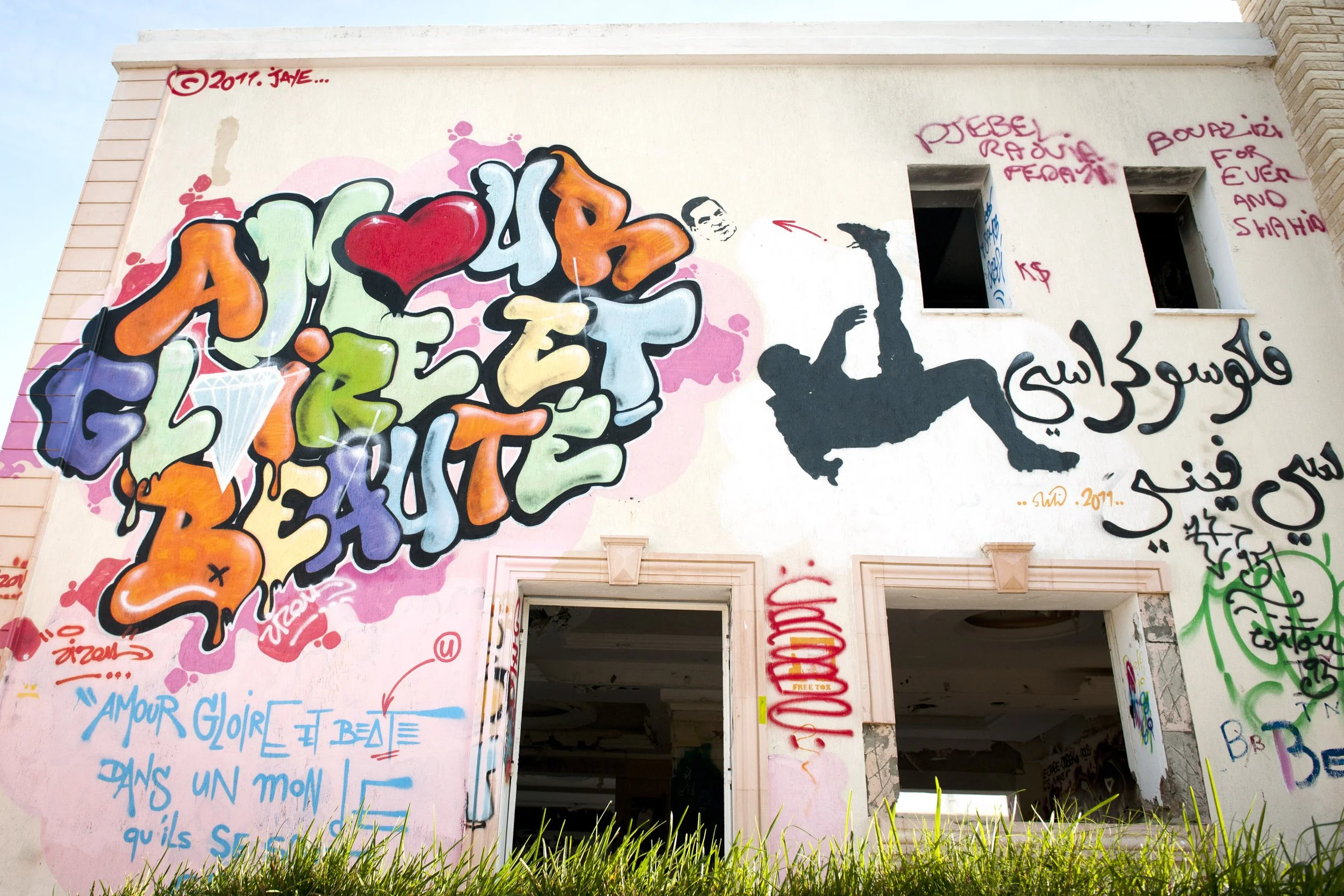
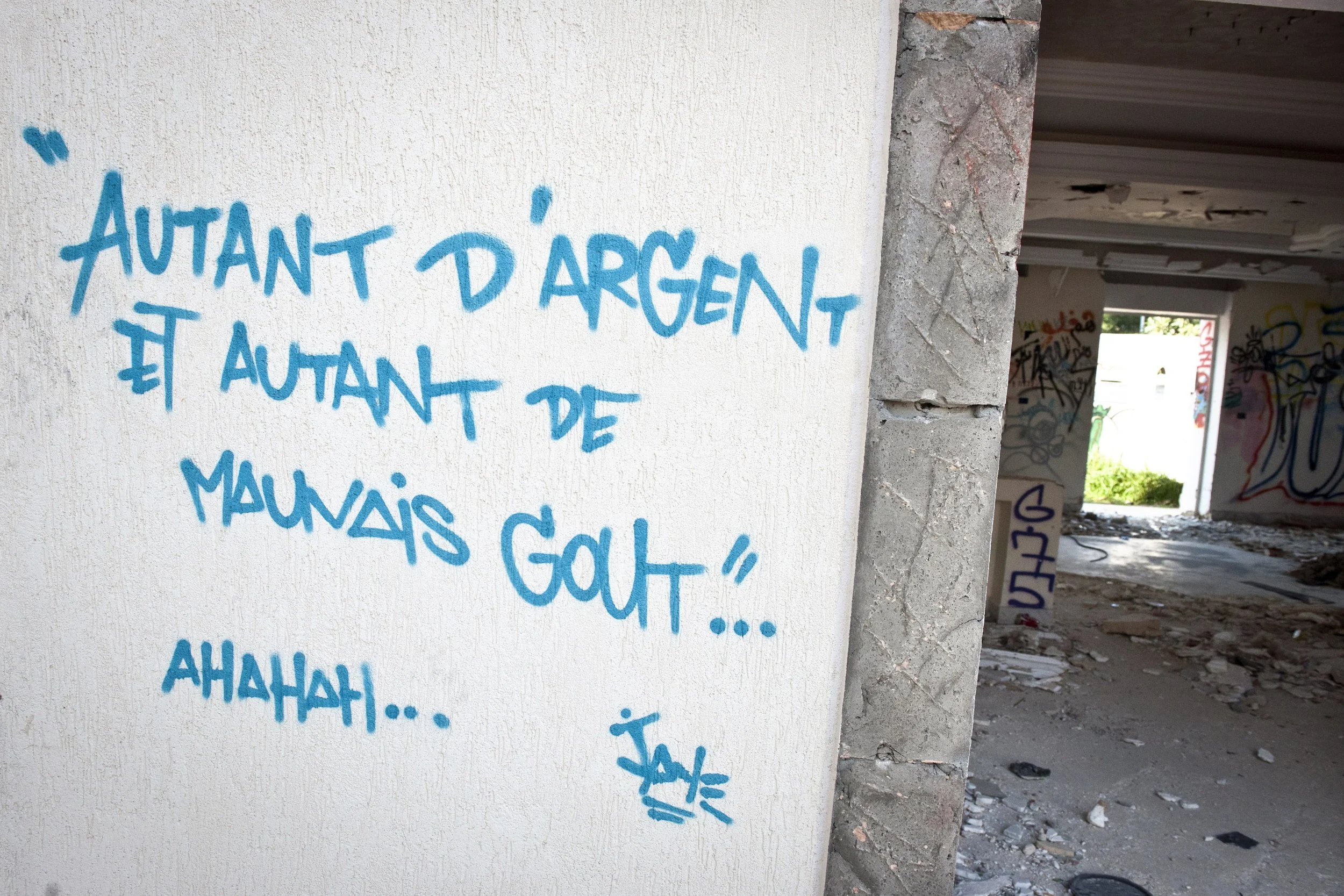
The Averroes’ Dilemma
“Then I reflected that a more poetic case than these would be a man who sets himself a goal that is not forbidden to other men, but is forbidden to him. I recalled Averroes, who, bounded within the circle of Islam, could never know the meaning of the words tragedy and comedy.”
— Jorge Luis Borges, Averroes’ Search, 1947
Genesis
Tunisia, 2011
Mohamed Bouazizi was allegedly slapped by policewoman Fedia Hamdi when he went to complain about the confiscation of his fruit and vegetable stand. It may have been at that very moment that he decided to set himself on fire outside the Governor’s Office in Sidi Bouzid, on 17 December 2010. But he could hardly have imagined that his act would bring down Ben Ali’s 23-year rule and then trigger a wave of protests across the Arab world.
And so, the act transcended the man.
The story of the slap is now disputed; the policewoman was even acquitted by a court. In Tunisia, stories are easily constructed. I was told, for instance, that the episode had been invented to provoke outrage and mobilise the social milieu from which Bouazizi came.
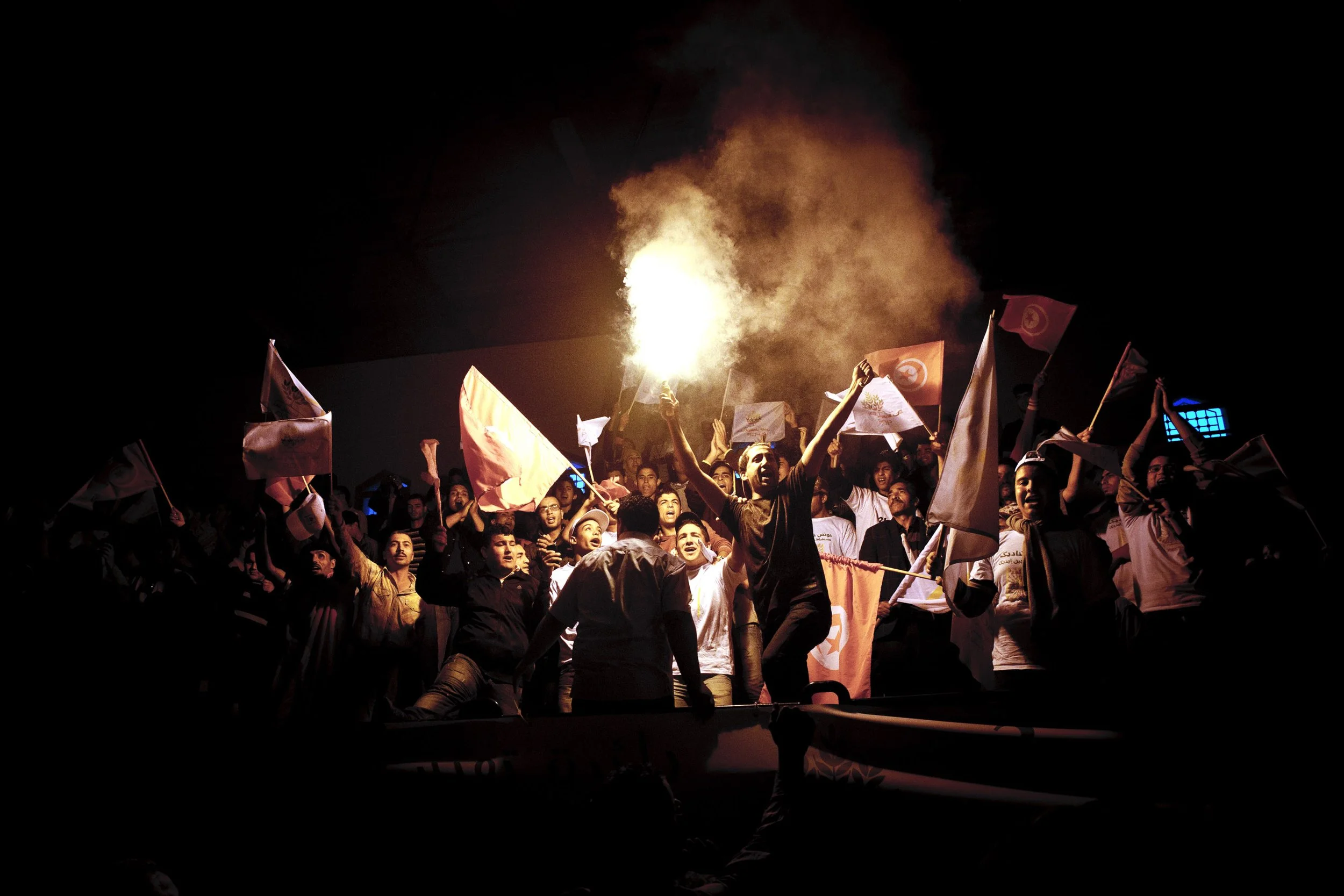
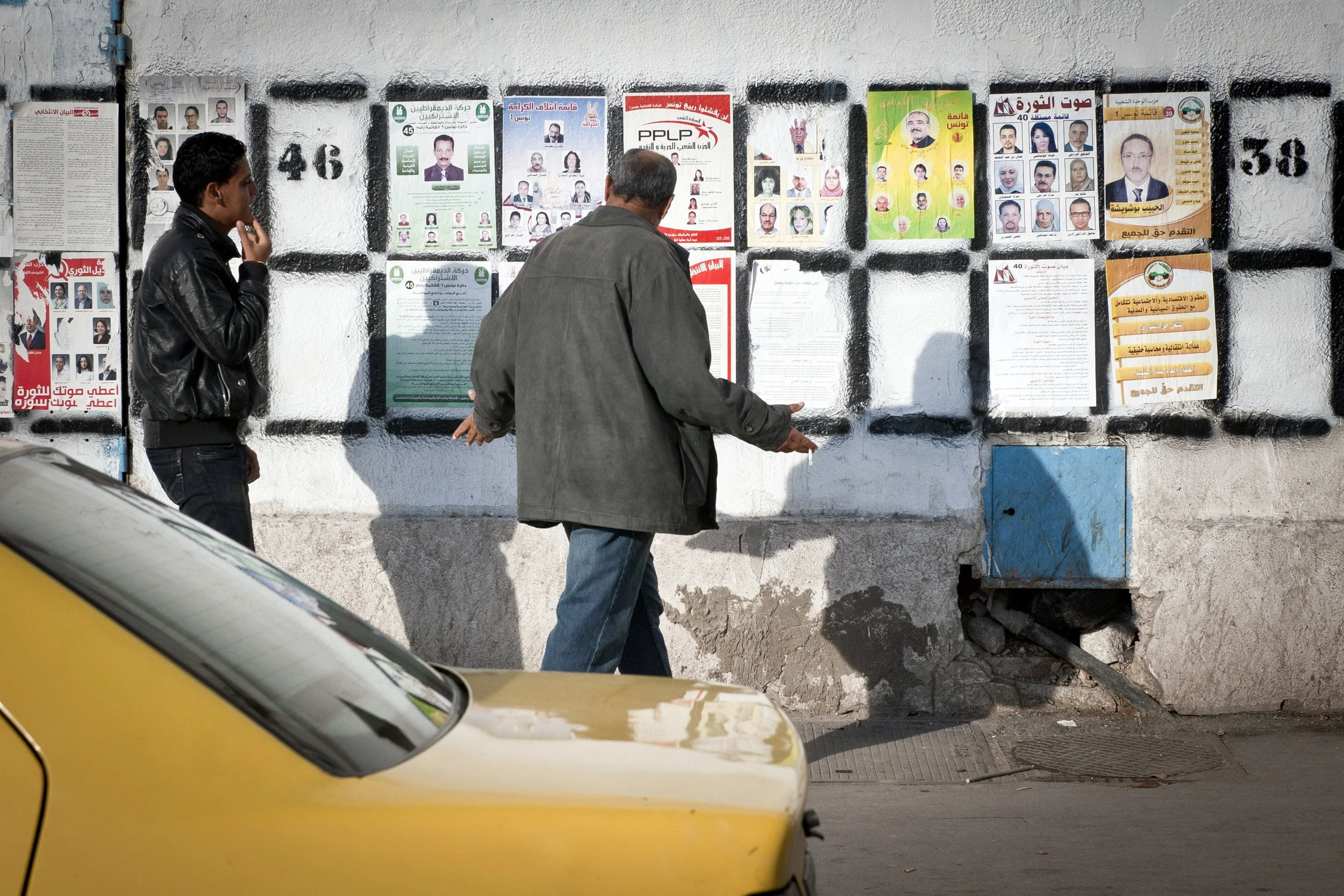
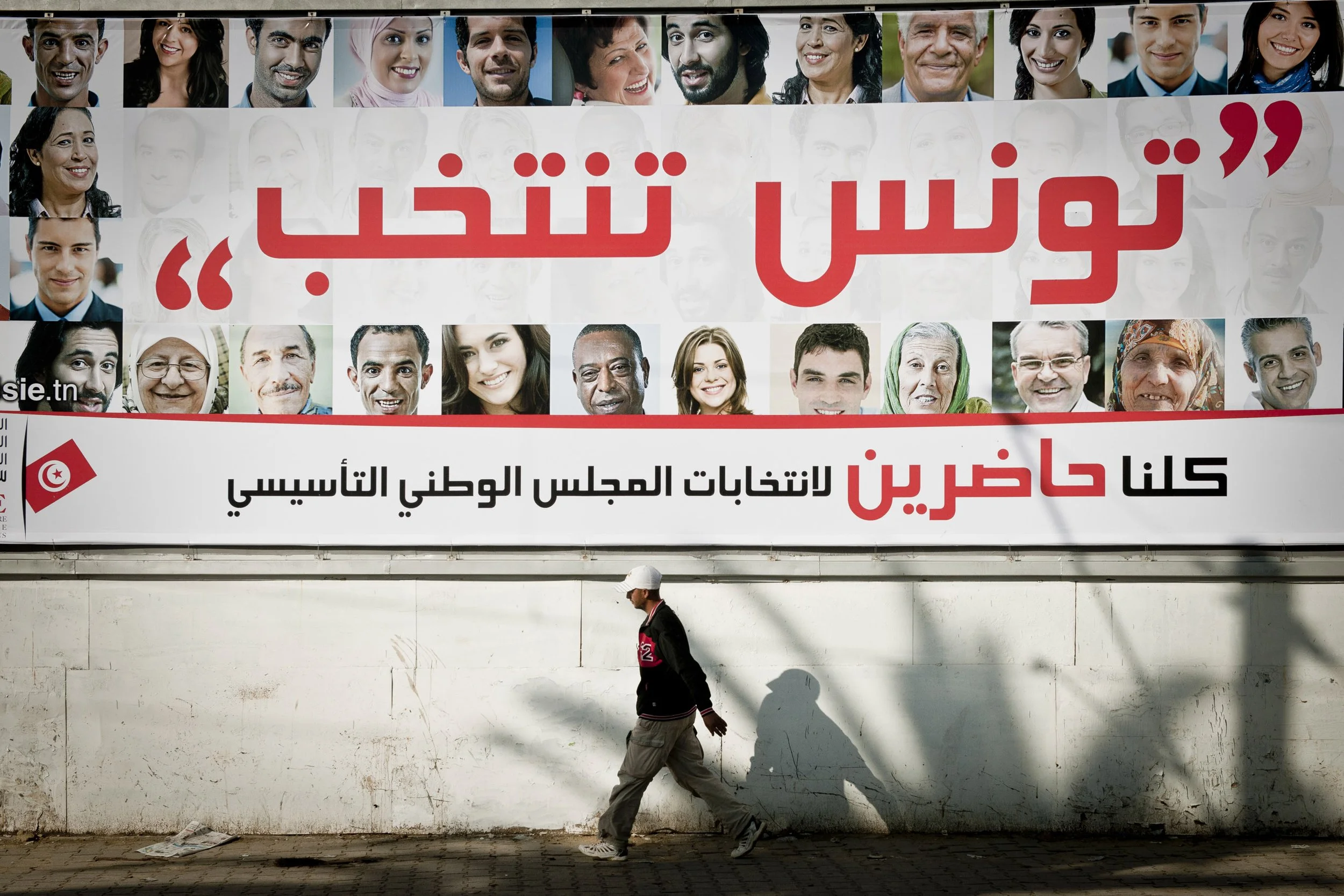
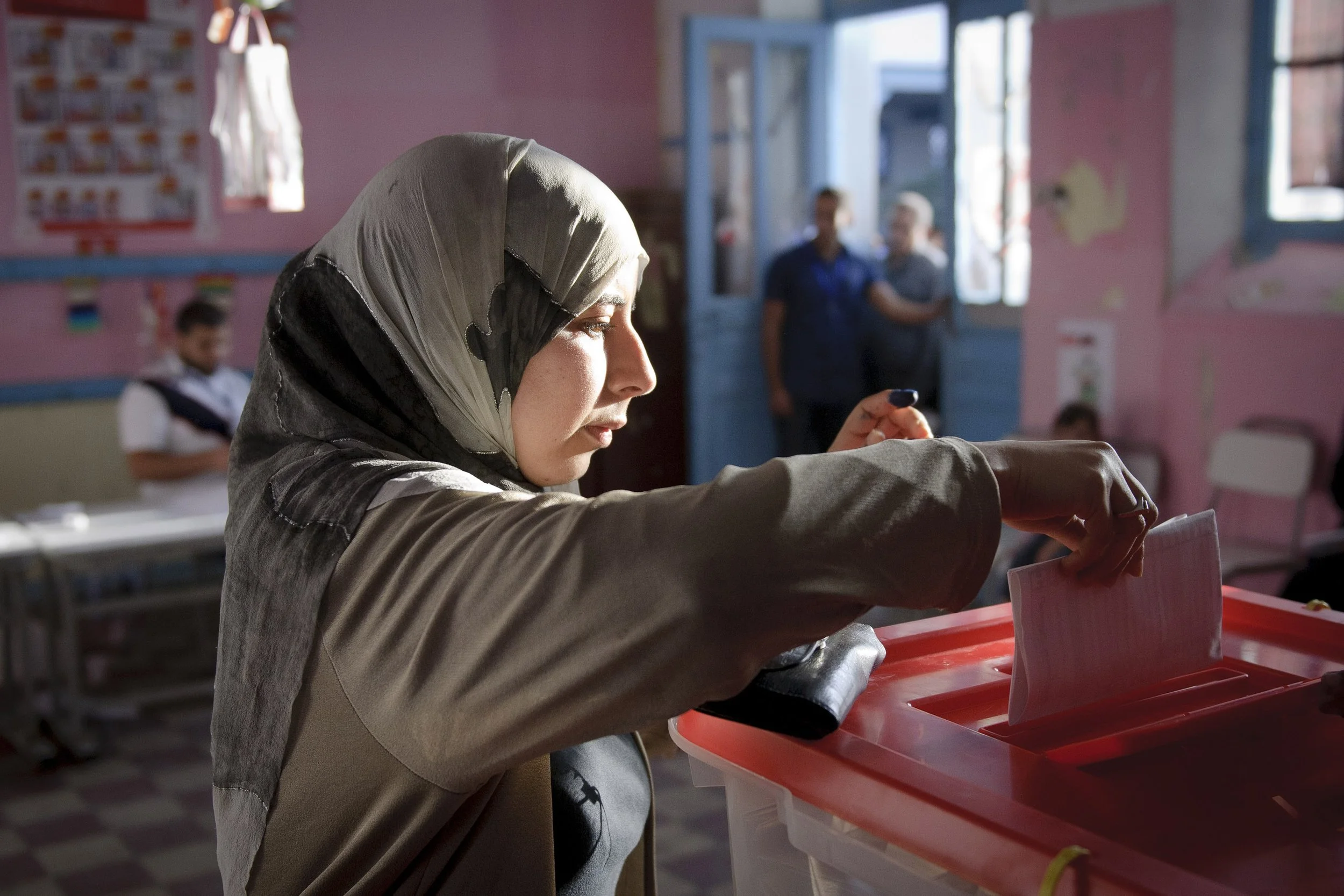
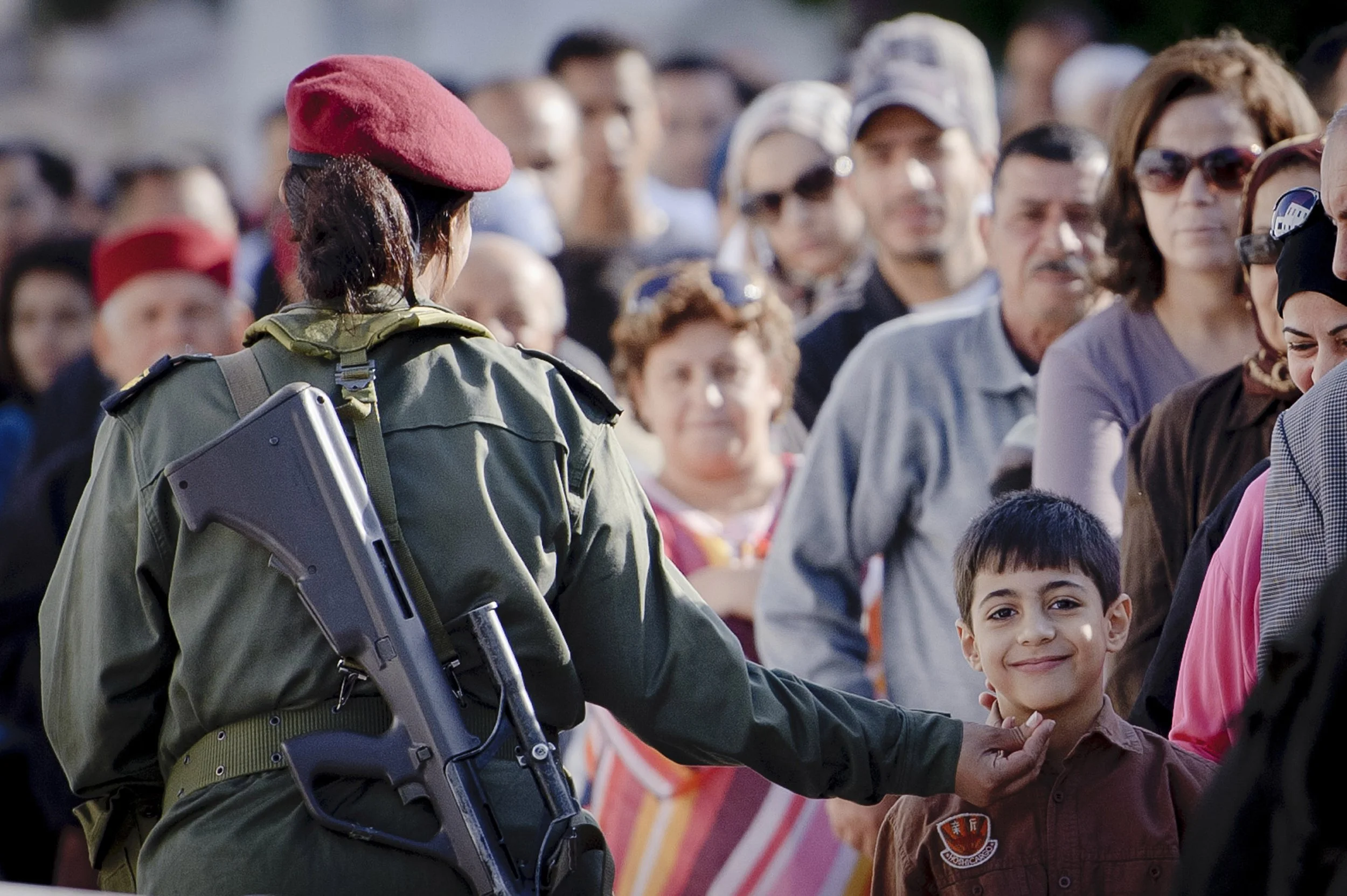
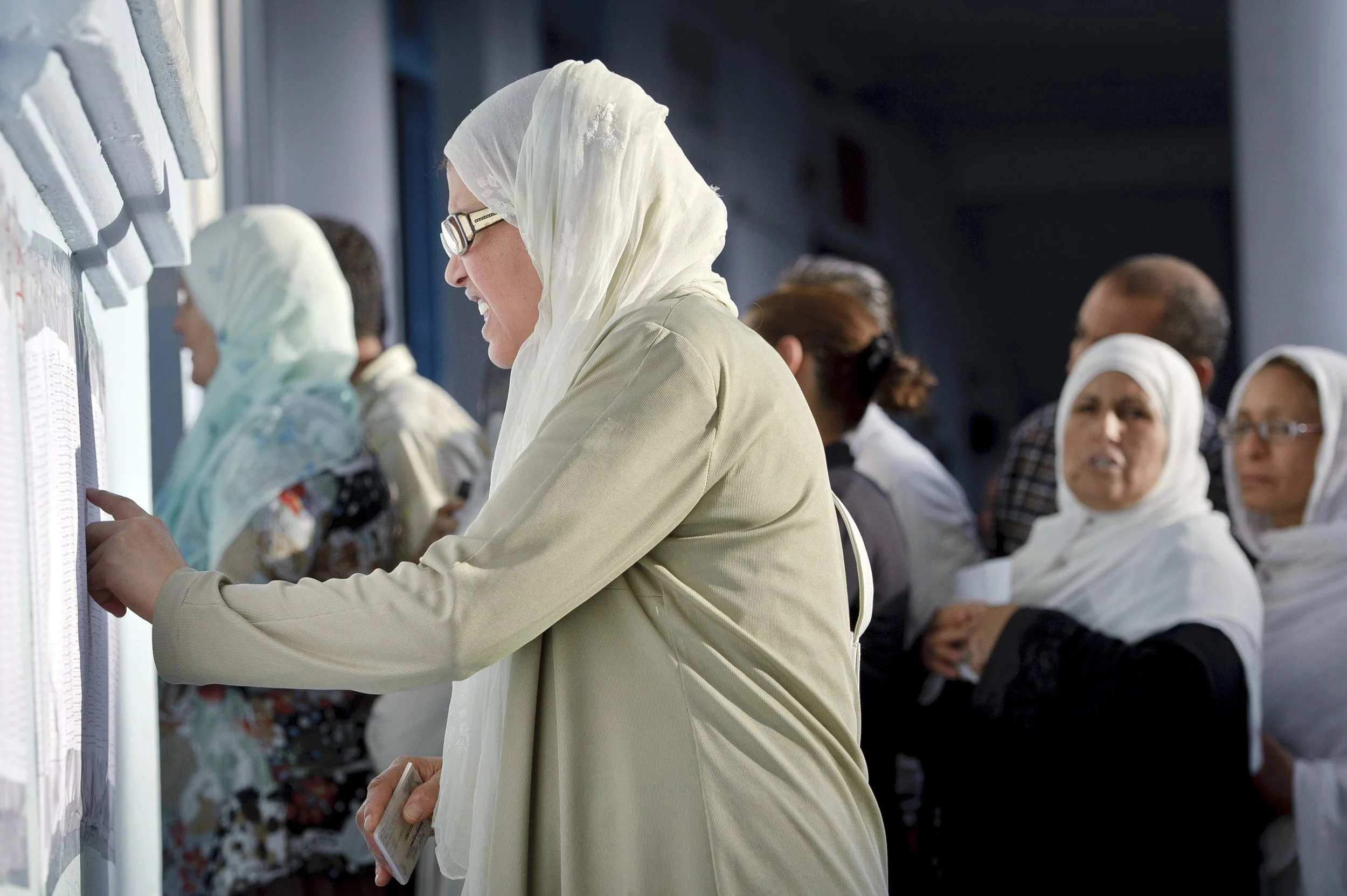
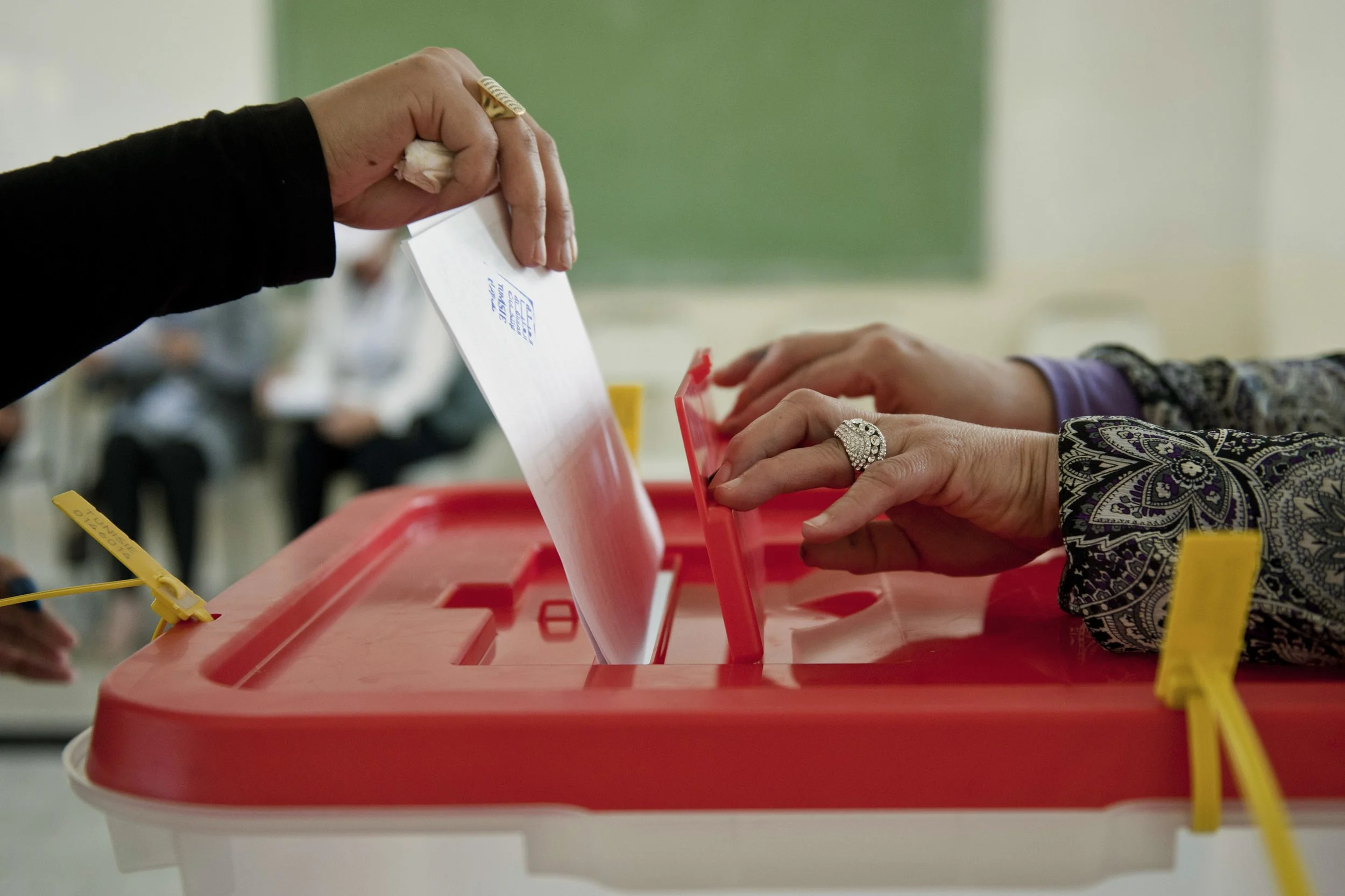
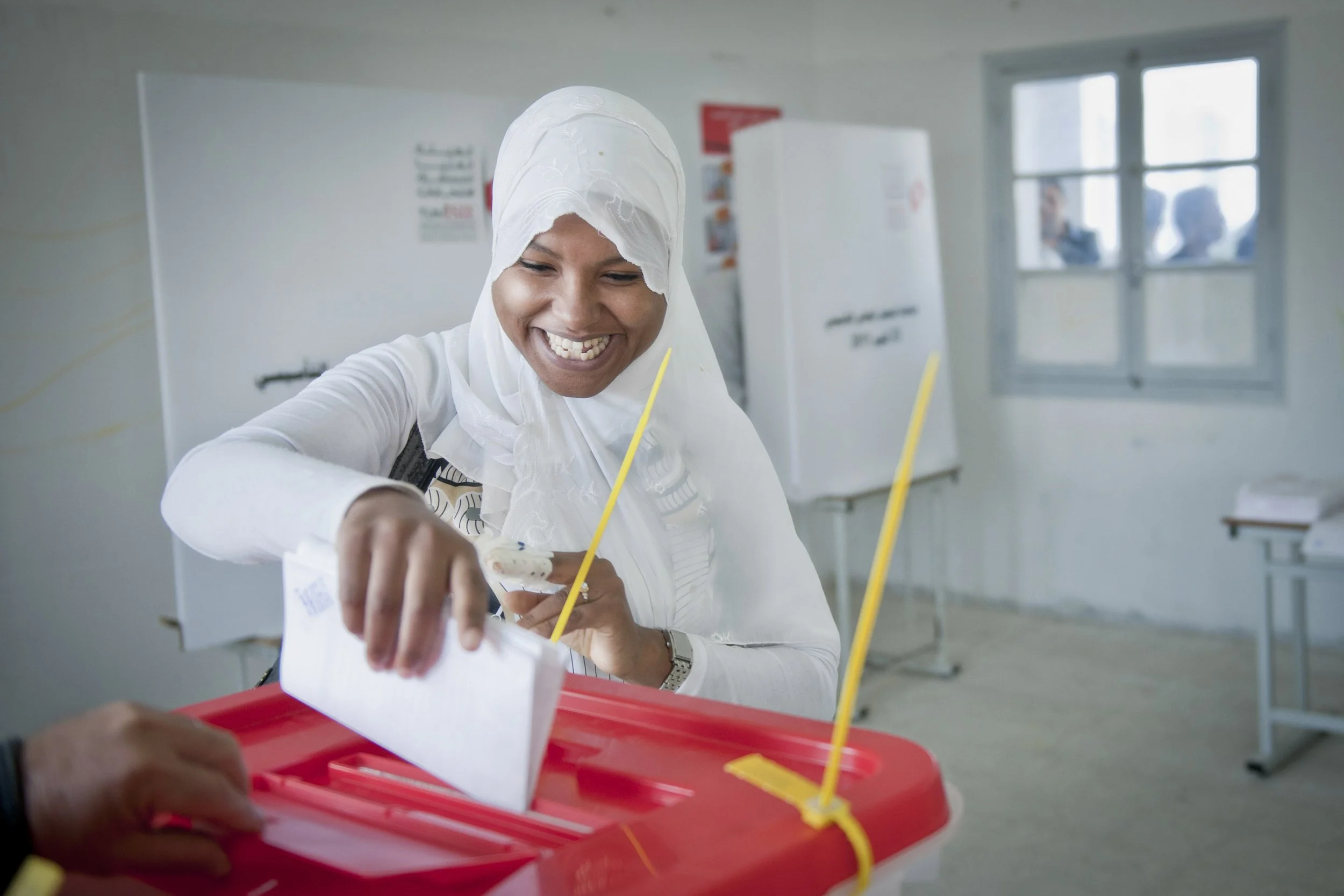
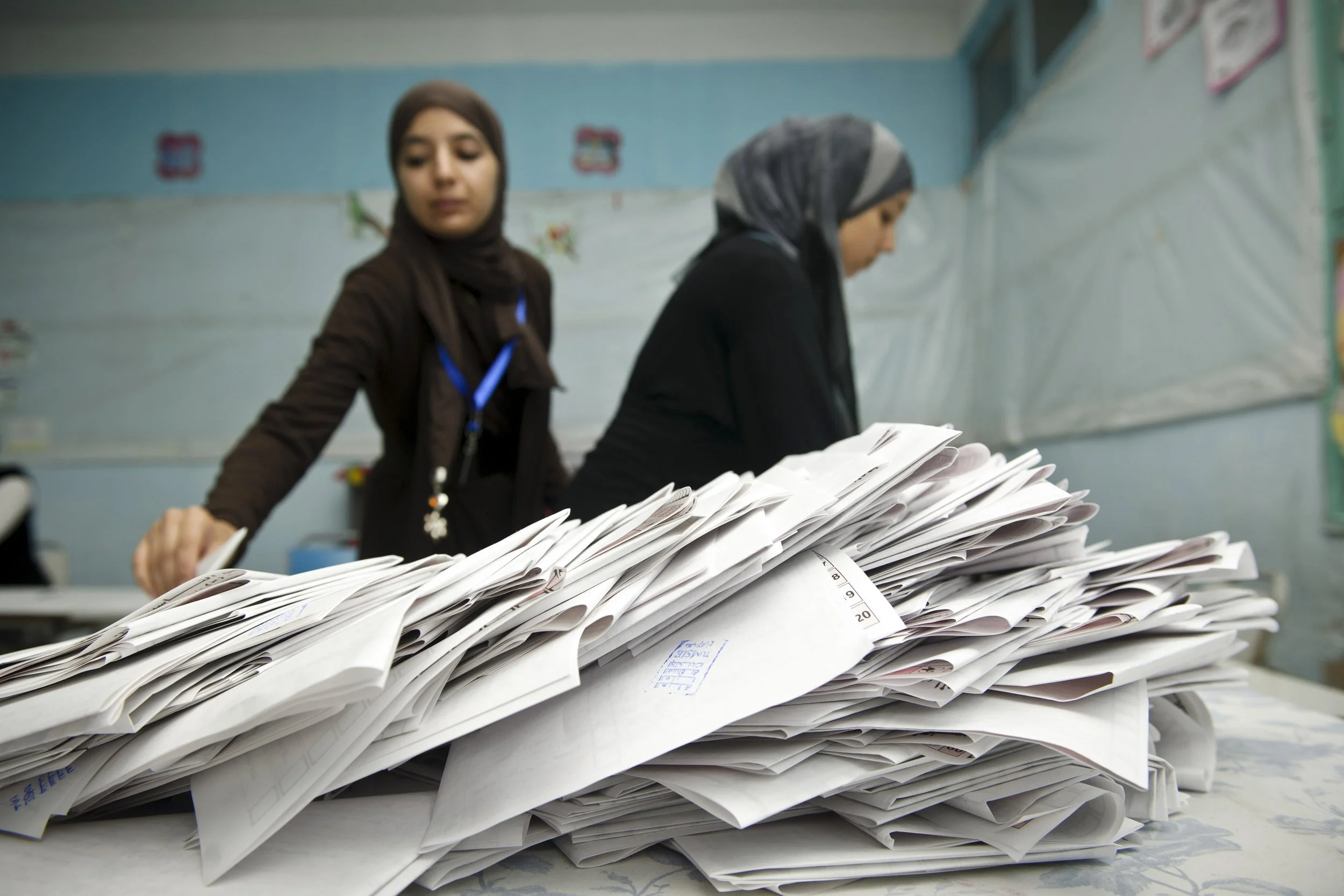
One thing, however, is certain: 310 days after his self-immolation, Tunisians elected their representatives from among some 100 political parties that had emerged from the Jasmine Revolution. On 23 October, everything was at stake, and Tunisians placed their bets.
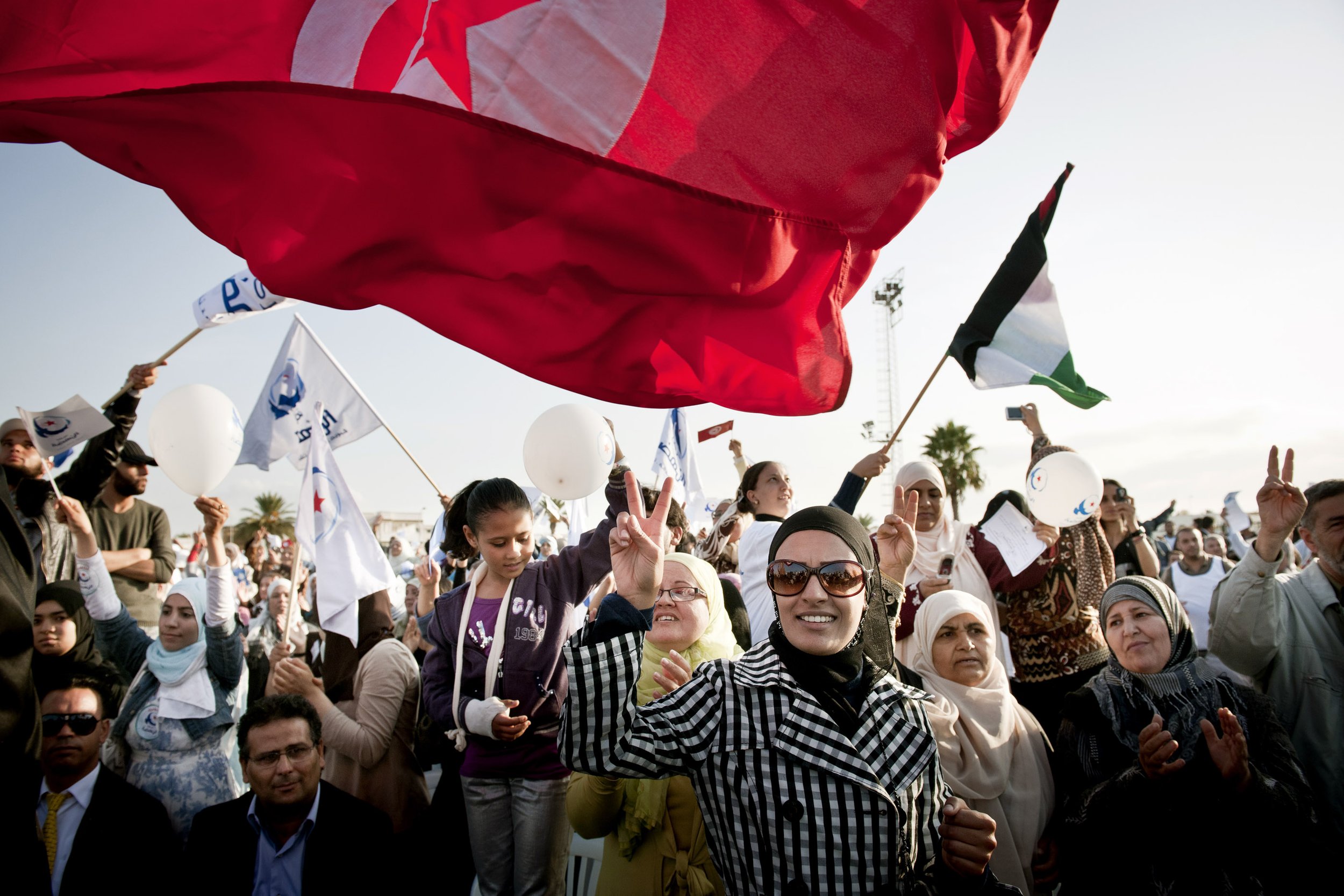
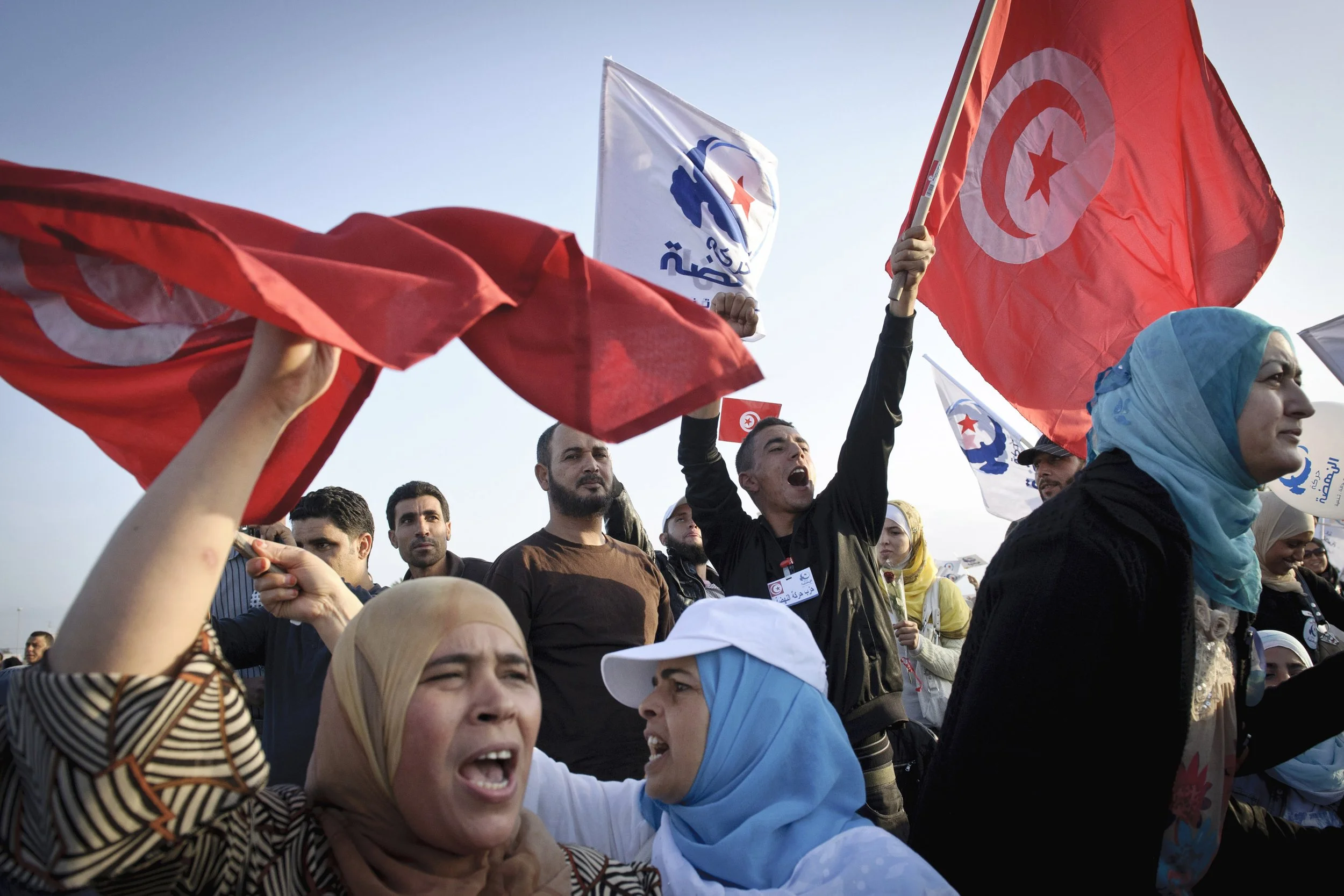
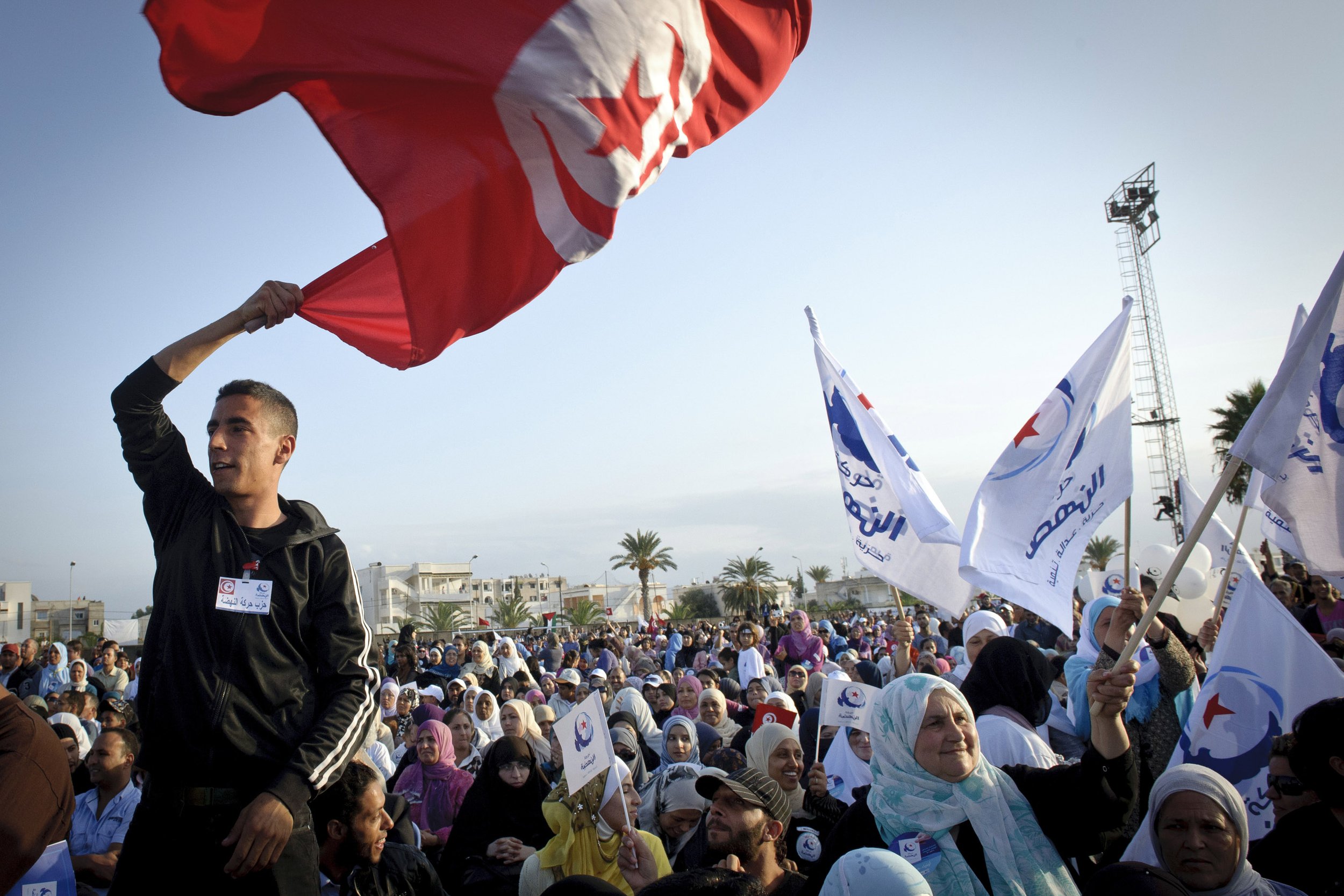
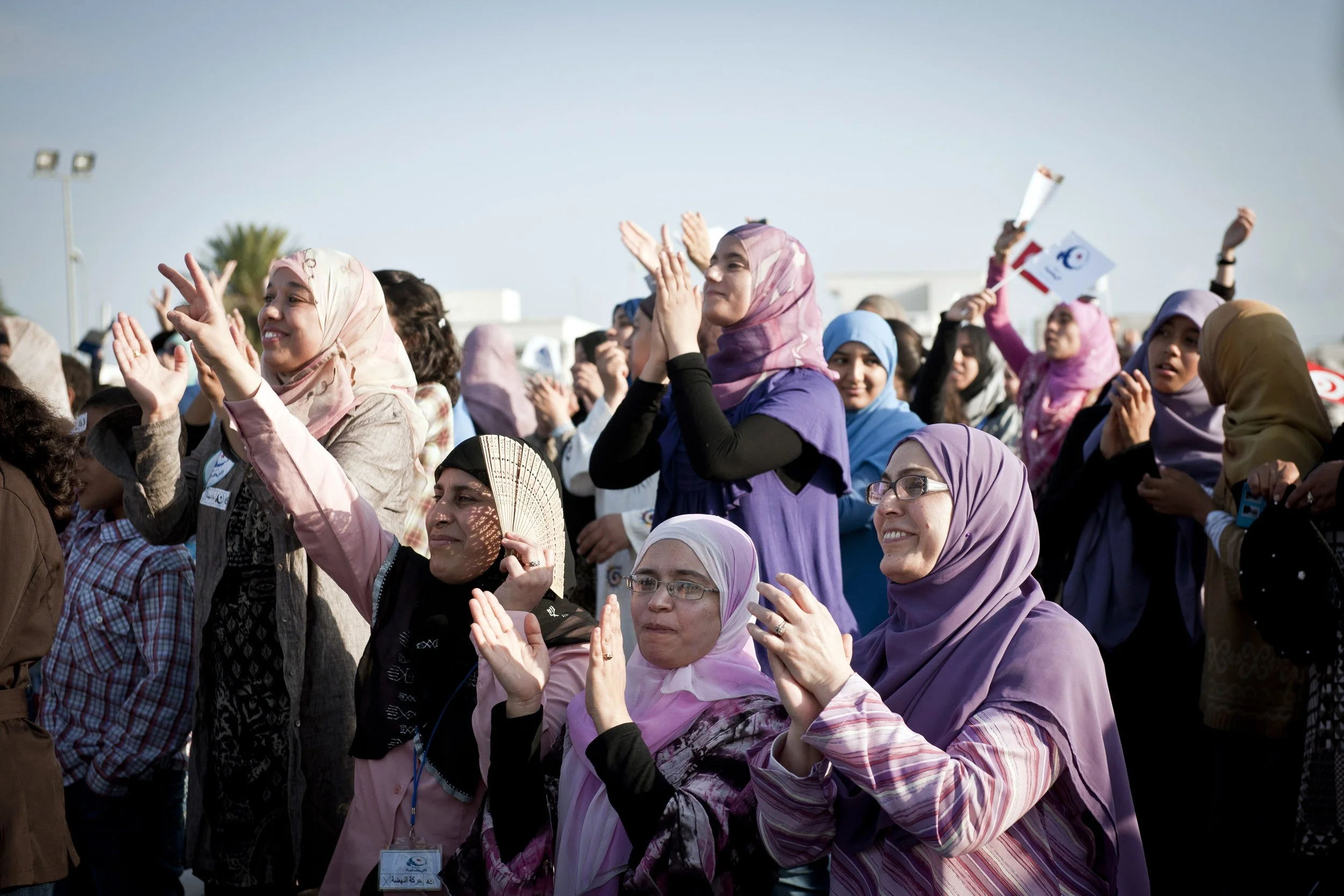
The Islamists of Ennahda swept the polls, securing 41.47% of the seats in the Constituent Assembly. They are now the country’s leading political force, with 90 representatives out of 217. They are followed by the CPR, the nationalist left, with 30 seats, and Ettakatol, on the left, with 21.
To understand Ennahda’s success — despite having played no significant role in the revolution itself — and how the party managed to occupy such an enormous political space, one must first understand its history.
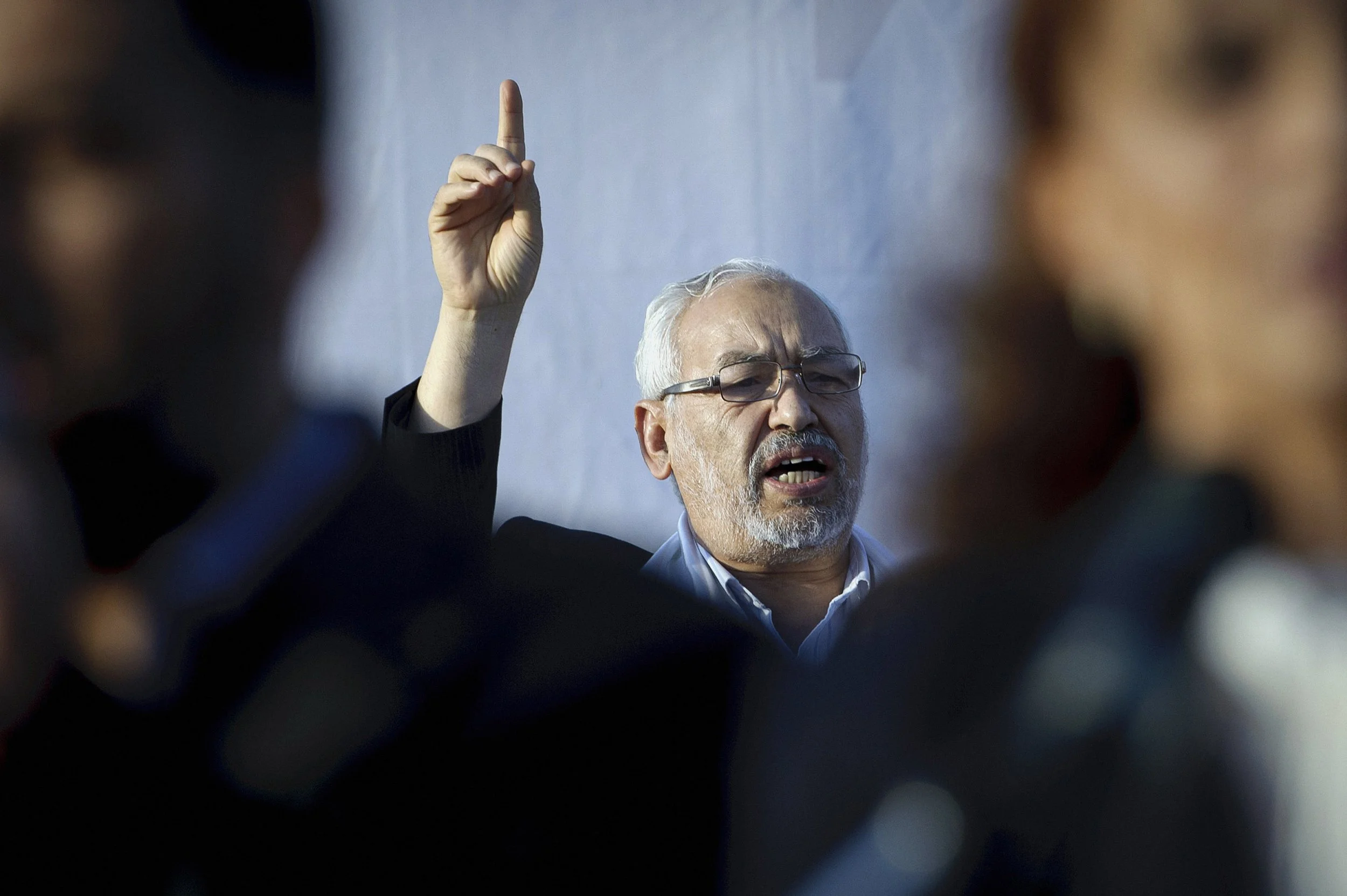
Ennahda, the “Renaissance Party”, emerged from the university movements of the 1970s. At the time, the first advocates of political Islam were battling left-wing activism. The party was banned and repressed under Ben Ali; its leader, Rached Ghannouchi, went into exile, while many of its members were tortured and imprisoned.
Ennahda subsequently built its strength through close ties with its supporters, particularly in the country’s interior, where the movement had long enjoyed considerable popularity. By the time of the 2011 elections, it had developed a solid organisational structure and candidates with strong local support.
According to its French-language programme, Ennahda seeks to establish a “democratic, parliamentary political system that guarantees public and individual freedoms, the independence of the judiciary and freedom of the press.” It also supports “the rights to human dignity, respect for the principles of human rights, and women’s right to equality, education, employment and participation in public life.”
Back from exile after the revolution, Ghannouchi has adopted a reassuring tone towards the Western world, presenting himself as ready to form a government of national unity with the other political forces emerging from the elections.
This openness does not erase his sympathy for the founders of the Muslim Brotherhood, whom he has referenced in his writings; his good relations with Sudanese Islamists known for radical and fundamentalist positions; or the violence — including the use of acid — attributed to his supporters during the 1980s.
“Ennahda speaks with two voices. While presenting a moderate face in its programmes and in the media, it spreads an entirely different message in the mosques. During Friday prayers, they praise polygamy and call for the killing of secularists, whom they consider atheists,” says cyber-activist Lina Ben Mhenni.
The Agent Provocateur
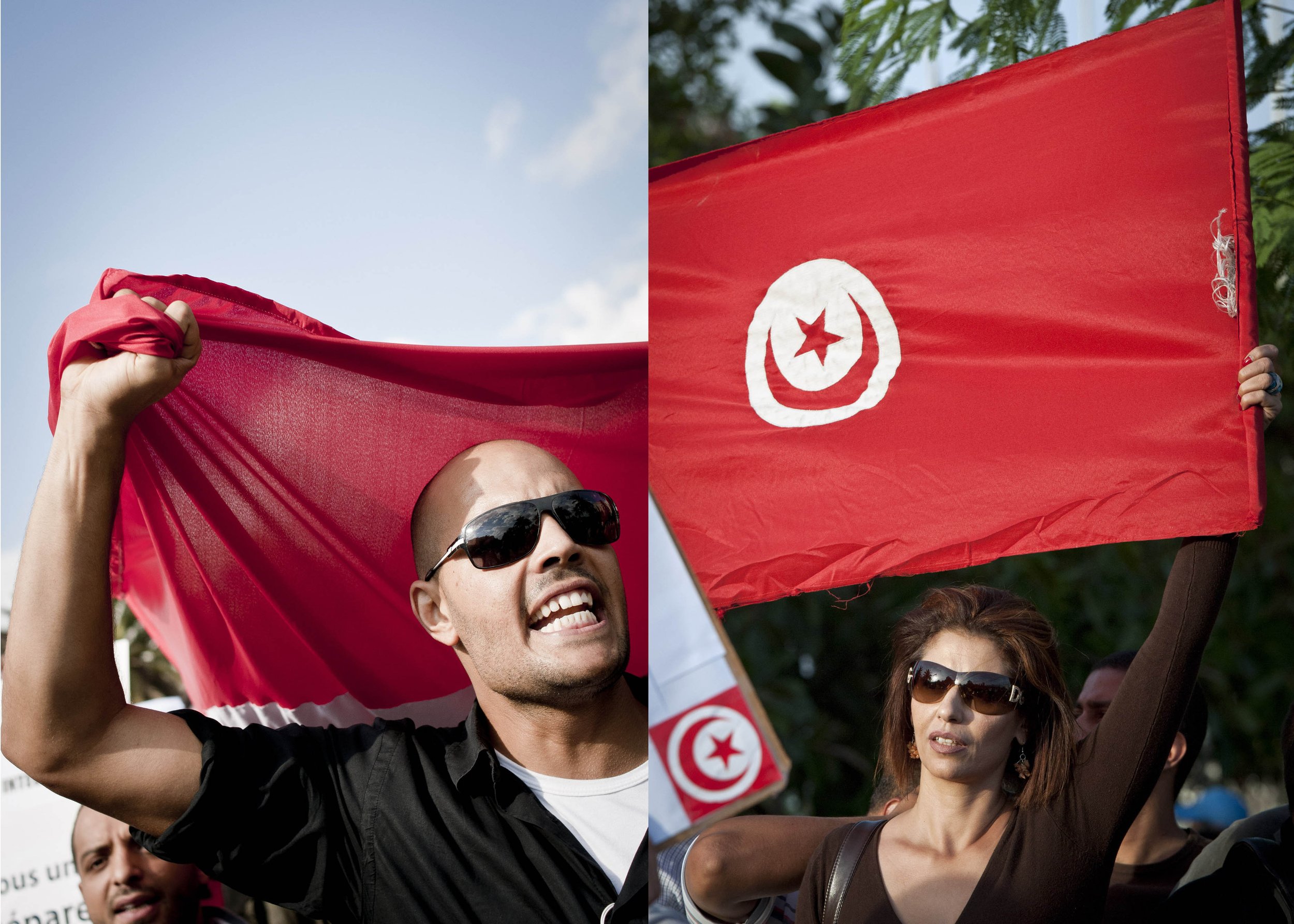
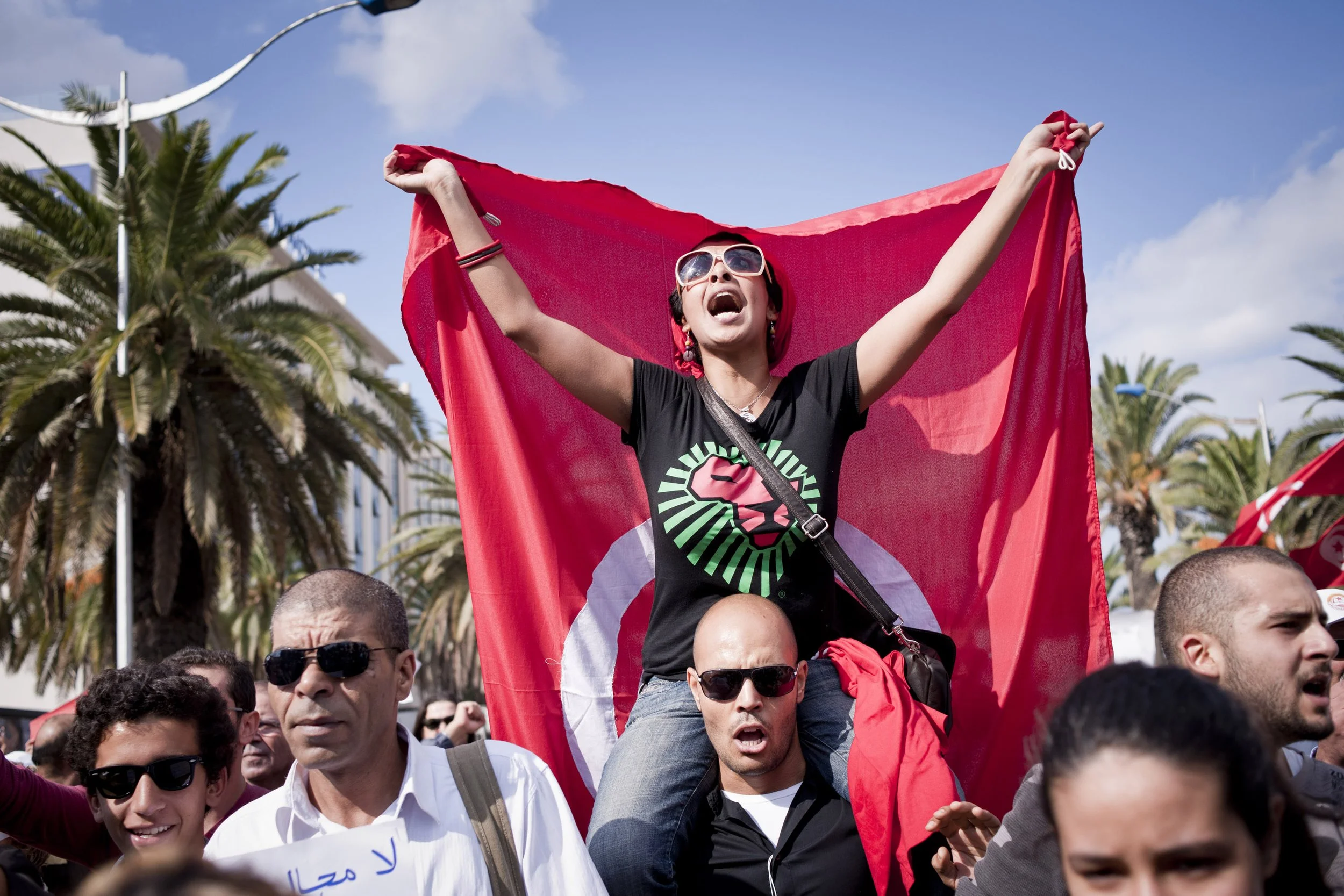
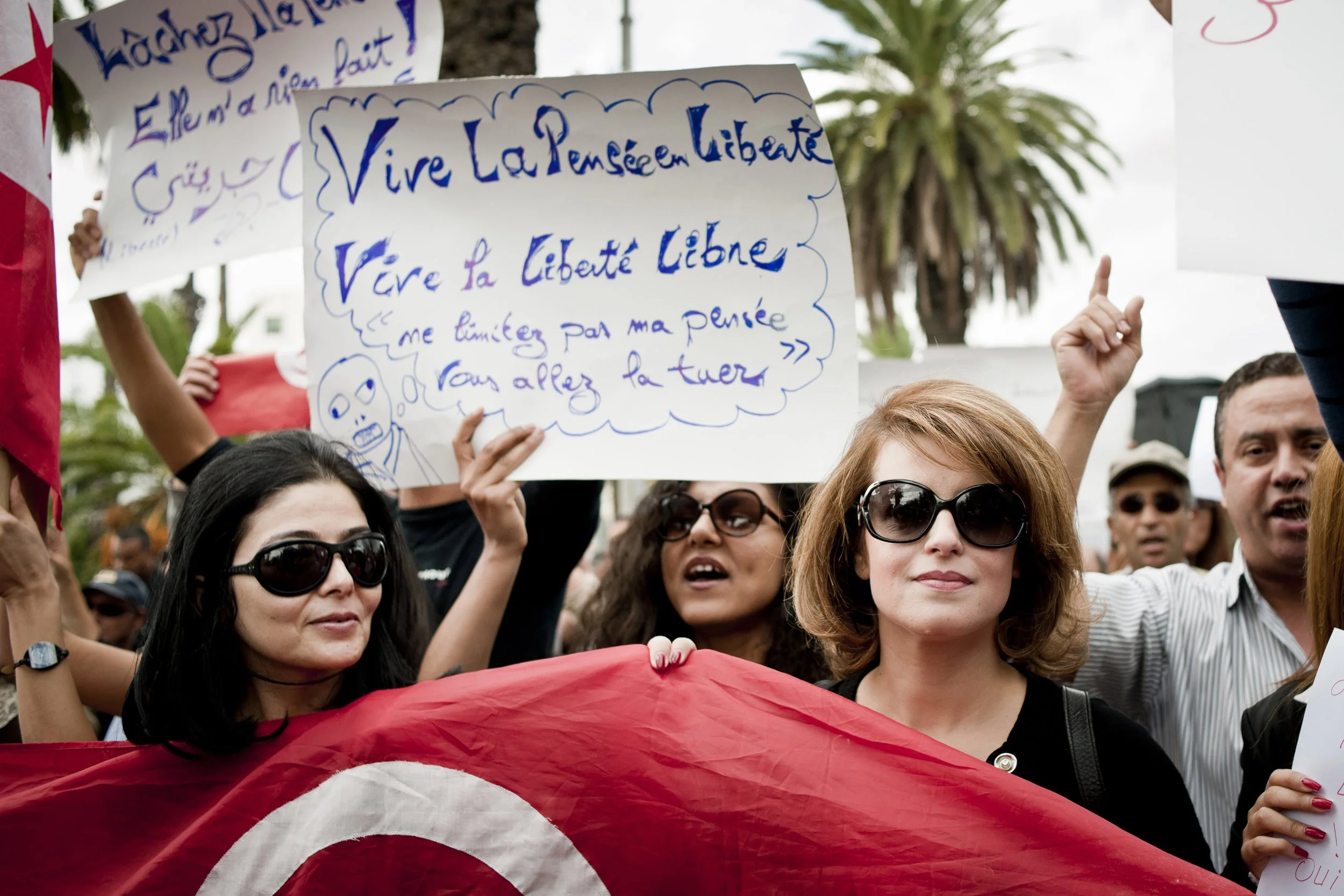
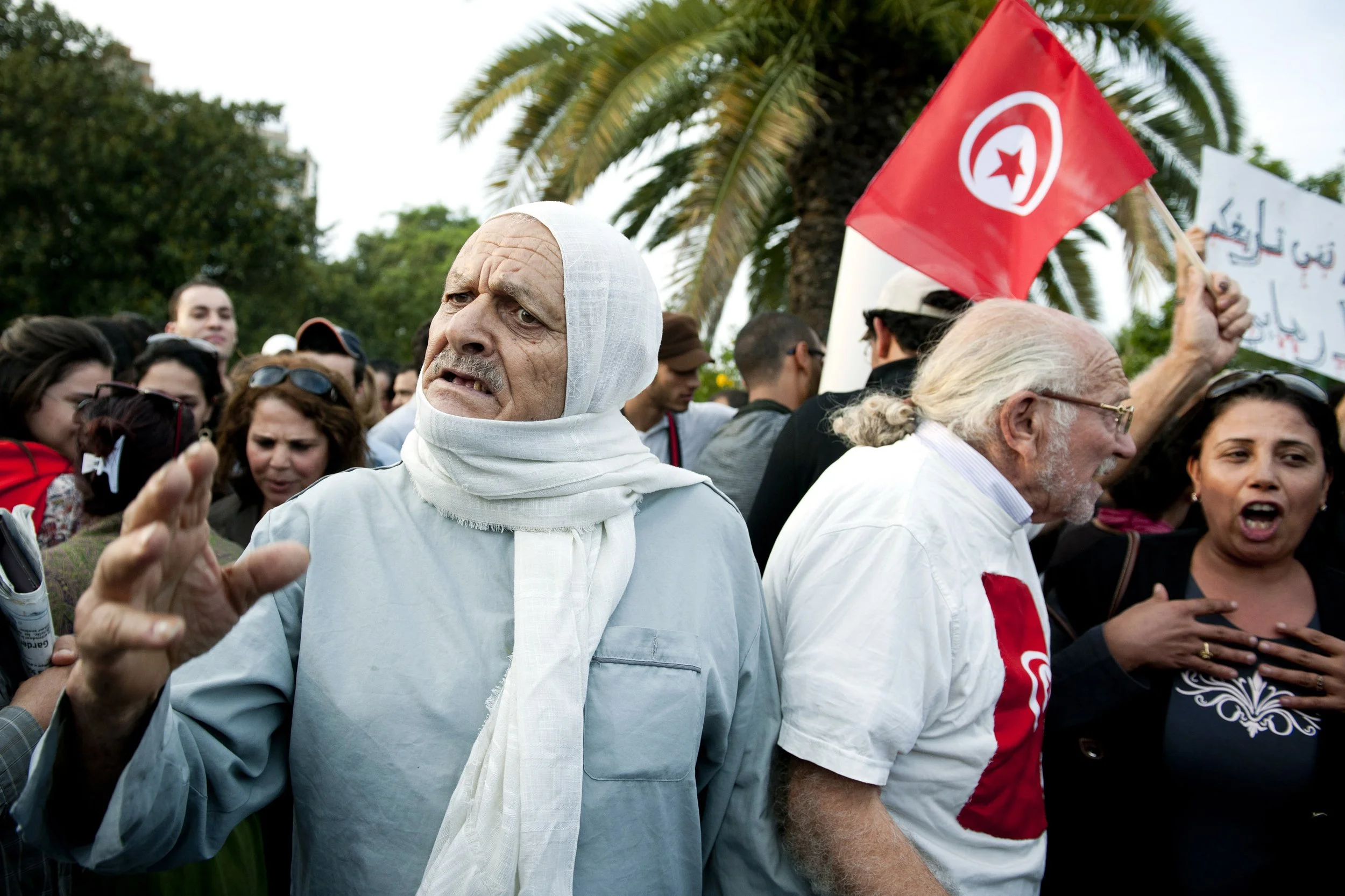
16 October 2011, Avenue Mohammed V.
I am looking for a demonstration against violence committed by Islamists who had attacked a television station a few days earlier.
“Excuse me, I heard there was a demonstration against the Islamists…”
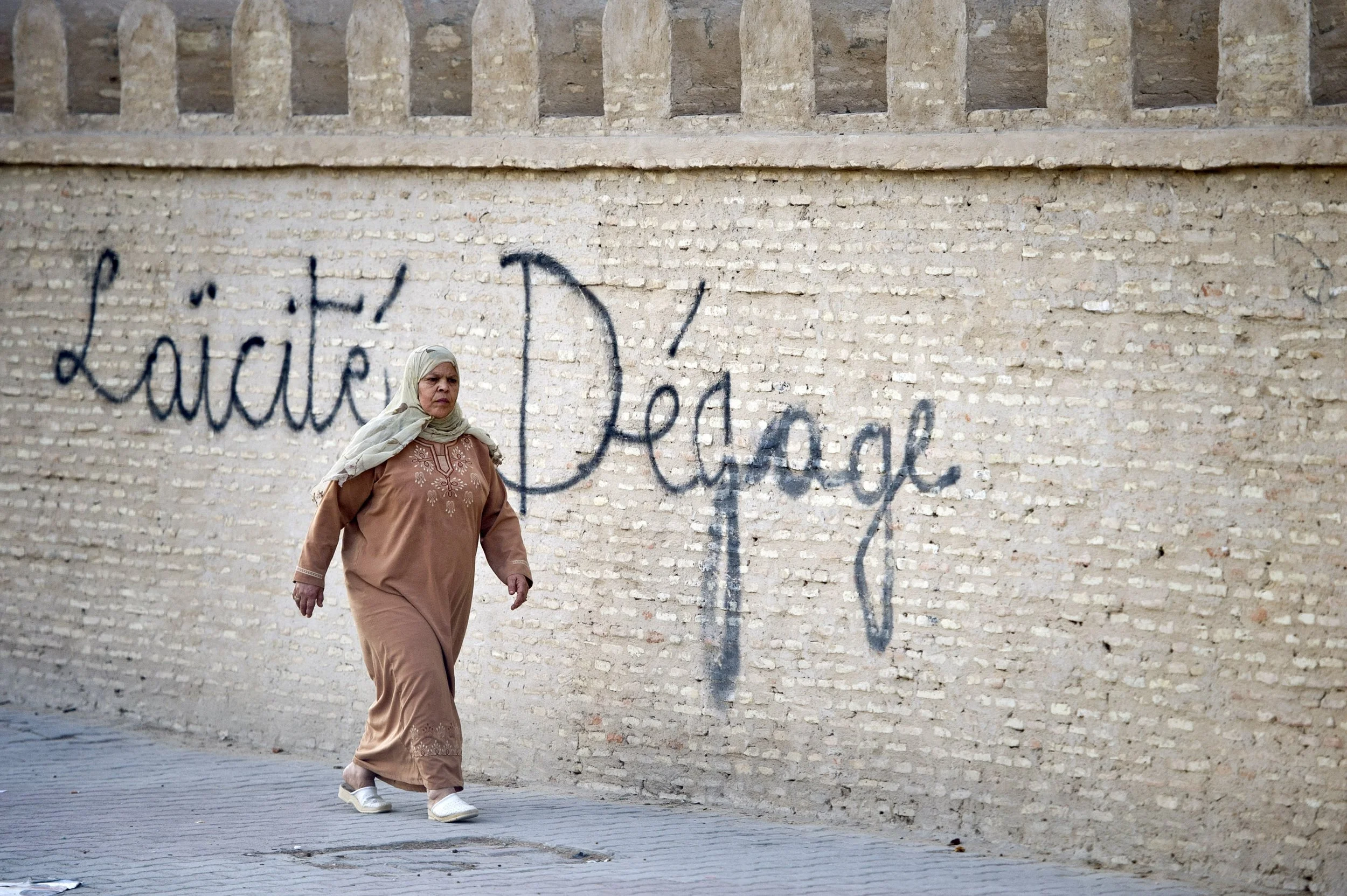
“The demonstration isn’t against that movement,” Mohammed Slim, a 22-year-old political science student and activist for a secular Tunisian state, corrects me. “We are here for peace, freedom of expression and a secular state.”
He invites me to follow him and explains that the protest against the television channel Nessma, which turned violent after the channel broadcast the film Persepolis, had in fact been manipulated by radical Islamists.
The animated film shows a young girl speaking with God, while the representation of God is forbidden in Islam. Yet, Mohammed Slim continues, “the same film that had now provoked the fury of religious groups had already been shown in cinemas in 2008… And nobody had complained.”
“They are my enemies. I want to destroy them through the law. They will be convicted for their crimes,” he continues. “Islam is based on love and tolerance, but the Islamists manipulate religion in order to gain power. They want to take us back to pre-Islamic times.”
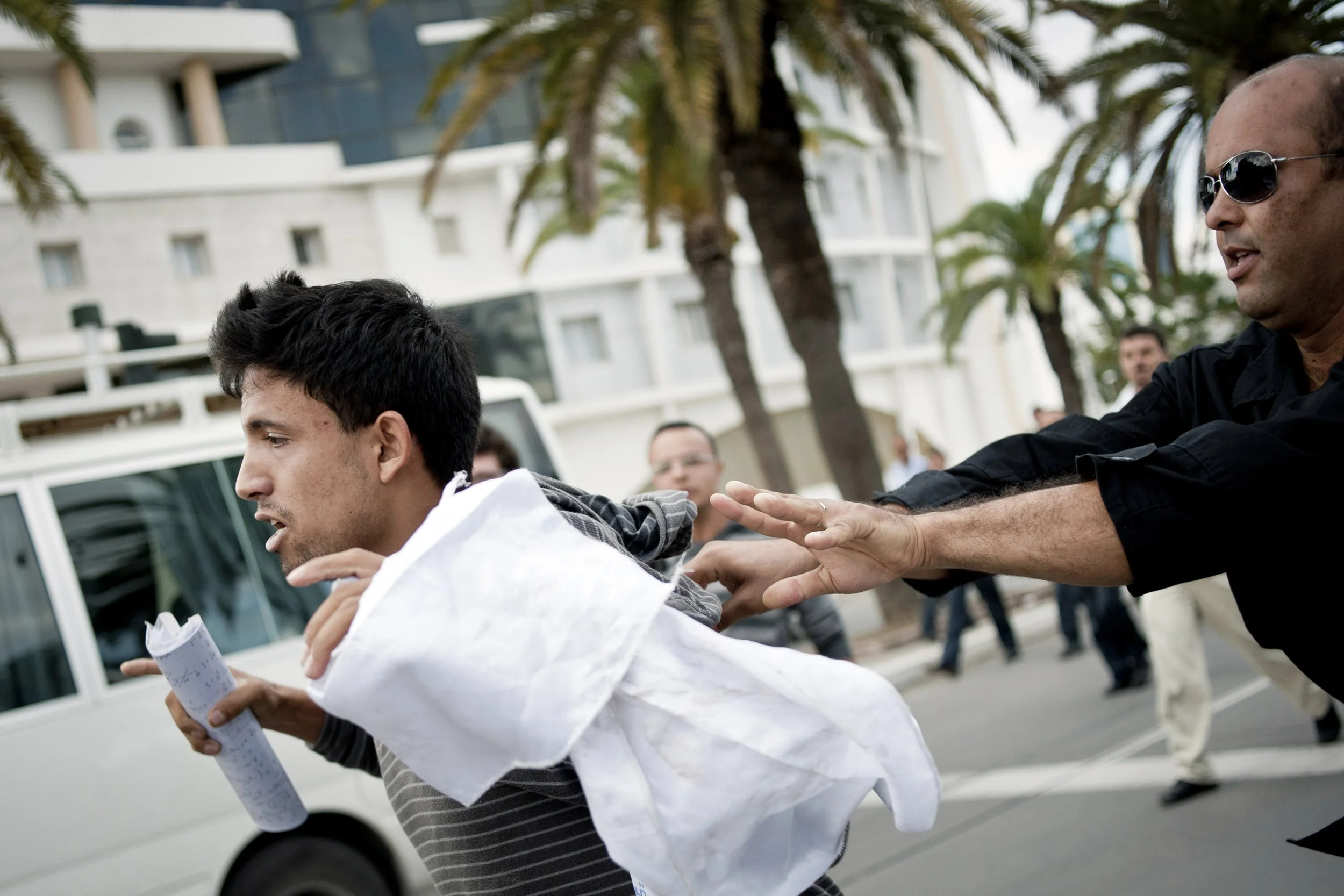
“Allahu Akbar!” someone suddenly shouts.
He then identifies himself as an Ennahda supporter, standing in the middle of a crowd that can hardly believe what it is seeing.
A second later, he is on the ground being beaten.
Two seconds later, plain-clothes police officers arrive. Together with other demonstrators, they pull him away and hand him over to the “good care” of the Tunis police, who take him away from the crowd.
“In Tunisia, you have to choose your battle. This is war. It’s us or them,” a girl who cannot be more than twenty tells me.
She has a video camera in one hand, a cigarette in her mouth and her left fist raised high in the air.
Béchir’s Analysis
“I probably met the writer Julio Cortázar in Paris in 1974. He was Argentine, like you. I was 26, but all of that feels very far away now,” Béchir Garbouj tells me.
A retired professor of French literature — though hardly retired from intellectual life — he answers my question about the election results calmly and thoughtfully.
“Ennahda’s landslide is more surprising in its scale than in the fact that it happened. We expected it, but we could not have anticipated the collapse of the traditional opposition parties.”
“I believe the Ben Ali years left a deeper trauma than we had imagined. People find it difficult to separate the ‘traditional’ parties from those years of repression, particularly because — and this must be said — neither civil society nor the so-called left-wing parties lifted a finger to protest against the persecution of Islamist activists.
“Moreover, their ‘modernist’ discourse could only echo the familiar themes used by Ben Ali, who presented himself as a ‘man of progress’, a ‘man of the Enlightenment’, fighting against an obscurantist tide while simultaneously pursuing one of the most repressive policies imaginable and allowing the hydra of corruption to spread into every sphere of society.
“Ennahda, meanwhile, could present itself to the masses as a ‘martyr’ for the ‘emancipation of the people’. Added to this is the effective monopoly it has exercised for thirty years over faith and, above all, over the political imagination inseparable from it.
“In a country where illiteracy has certainly been seriously challenged, but where critical thinking has been fought just as fiercely, the extremely simple ideas put forward by Ennahda — reinforced during the electoral campaign by the most hysterical accusations against the left, supposedly advocating atheism, promoting same-sex marriage or encouraging moral decay — seem to me to have found a receptive audience among the population.
“The ‘left’, moreover, remained elitist despite its commitment to social justice. The time has come for it to go out and meet the people, among whom Ennahda has been building its foundations for a very long time,” Béchir concludes.
The Case of Averroes
Contrary to what Borges imagined, Averroes knew perfectly well the meaning of the words tragedy and comedy. He also knew the ancient Greeks. Indeed, he spent much of his life attempting to reconcile their thought with Islam.
Abu al-Walid Muhammad ibn Rushd, known in the West as Averroes, was born in Al-Andalus — the Iberian Peninsula then under Muslim rule — in 1126.
Born into a family of qadis, or judges, this Muslim philosopher, jurist, theologian, mathematician and physician studied and wrote extensively on the work of Aristotle.
The modernity and reach of his philosophical thought placed him at a level virtually without equal in his time. He lived close to the centres of power and enjoyed courtly patronage, but towards the end of his life he fell from favour, was exiled and saw his philosophy condemned under pressure from religious conservatives.
There is a parallel between the Averroes of the past and the Tunisia of today.
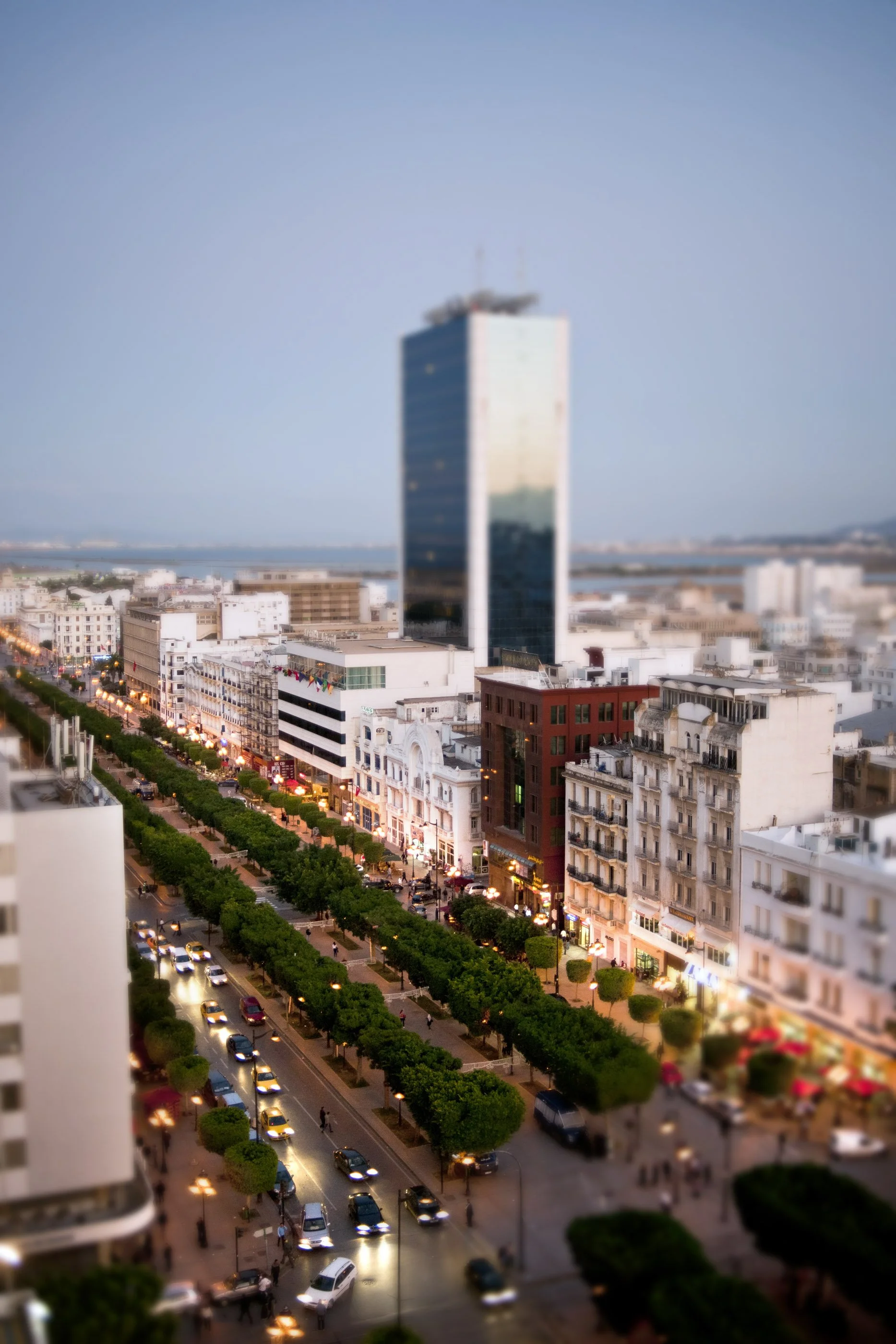
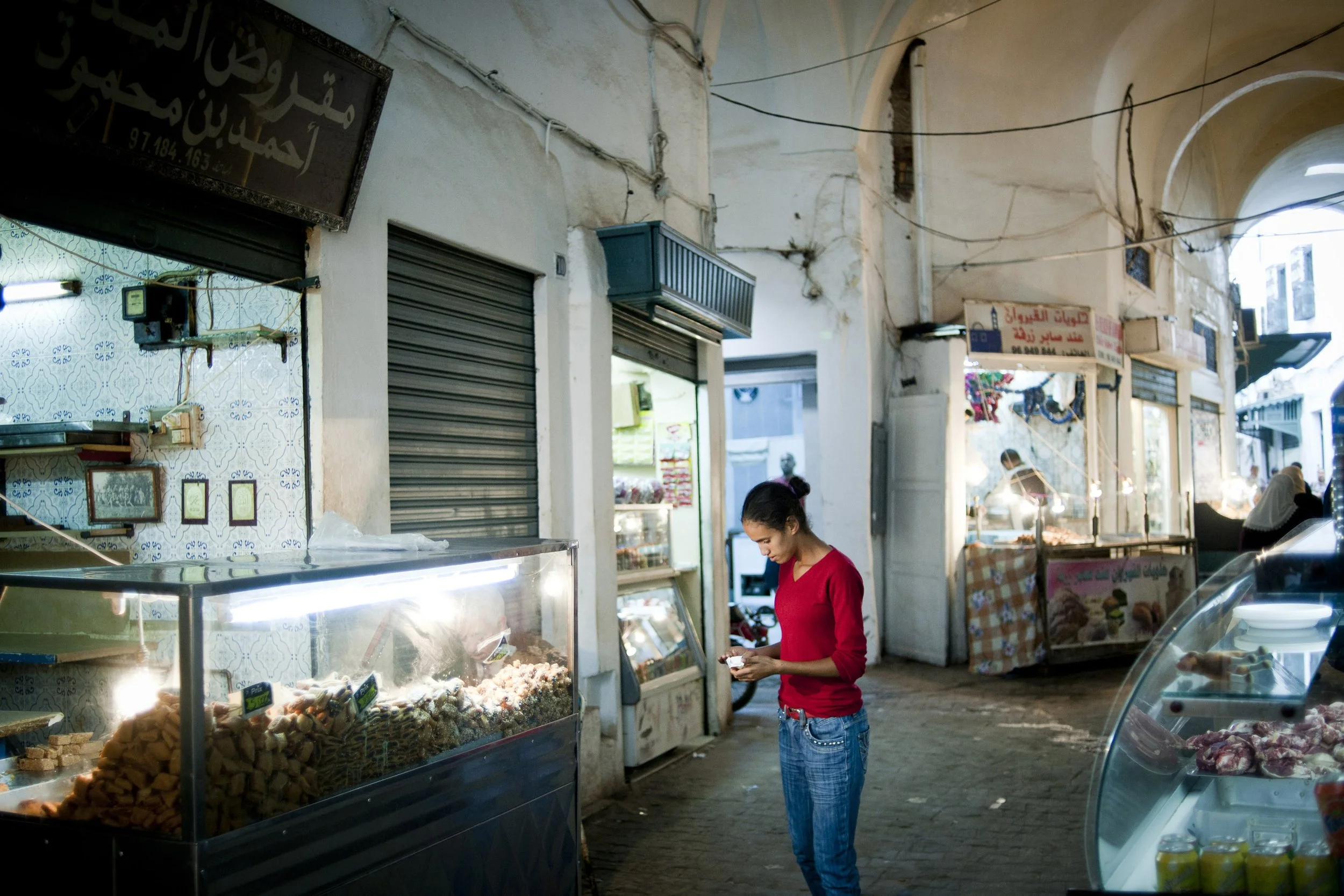
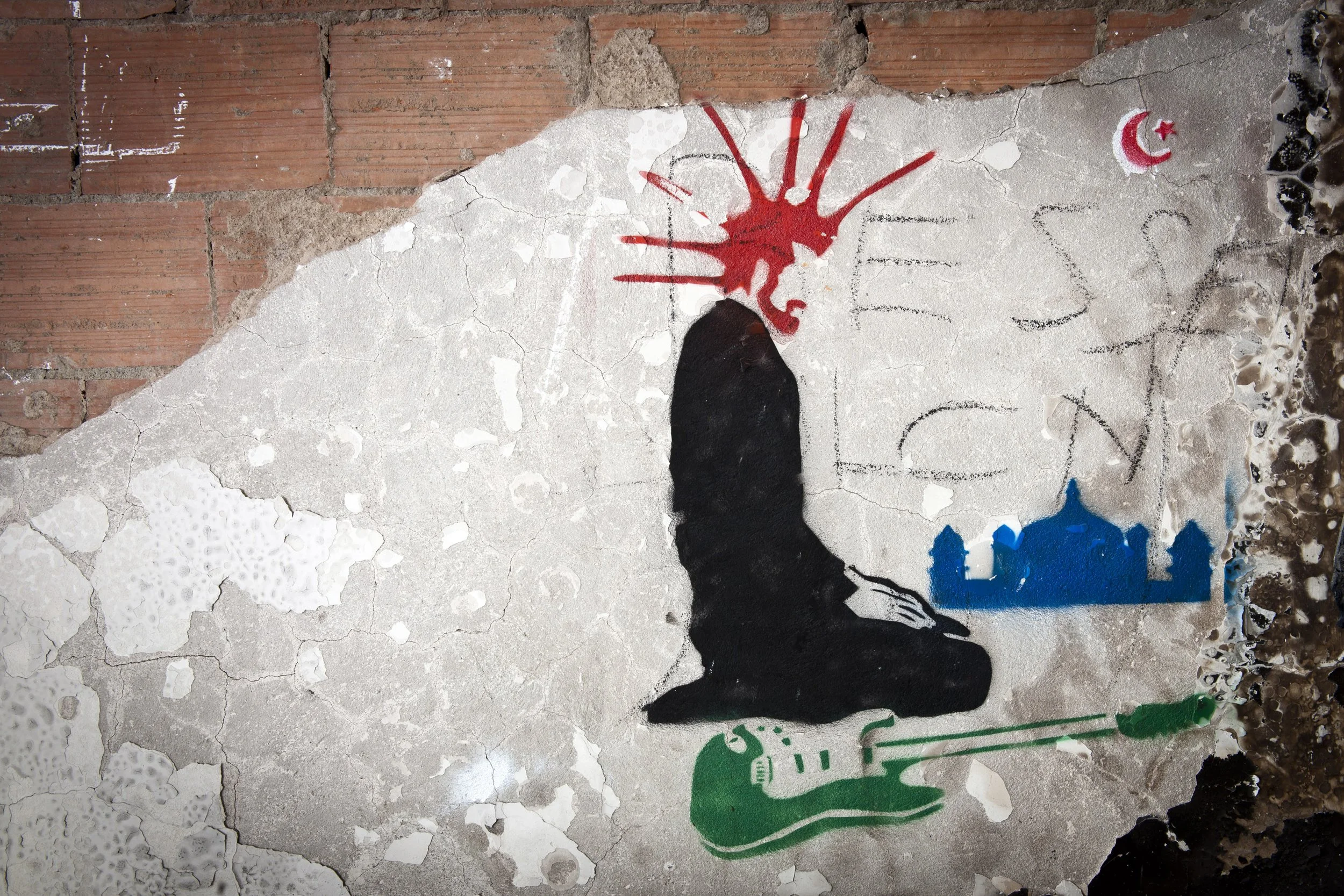
The Tunisian people form a mosaic: intellectuals, academics, the bourgeoisie, the middle classes, trade unions, left-wing activists, university students, activists and defenders of fundamental rights. Across these different layers of society runs a tradition of moderate Islam and secularism.
It was this Tunisia that drove the revolution — not the Islamists.
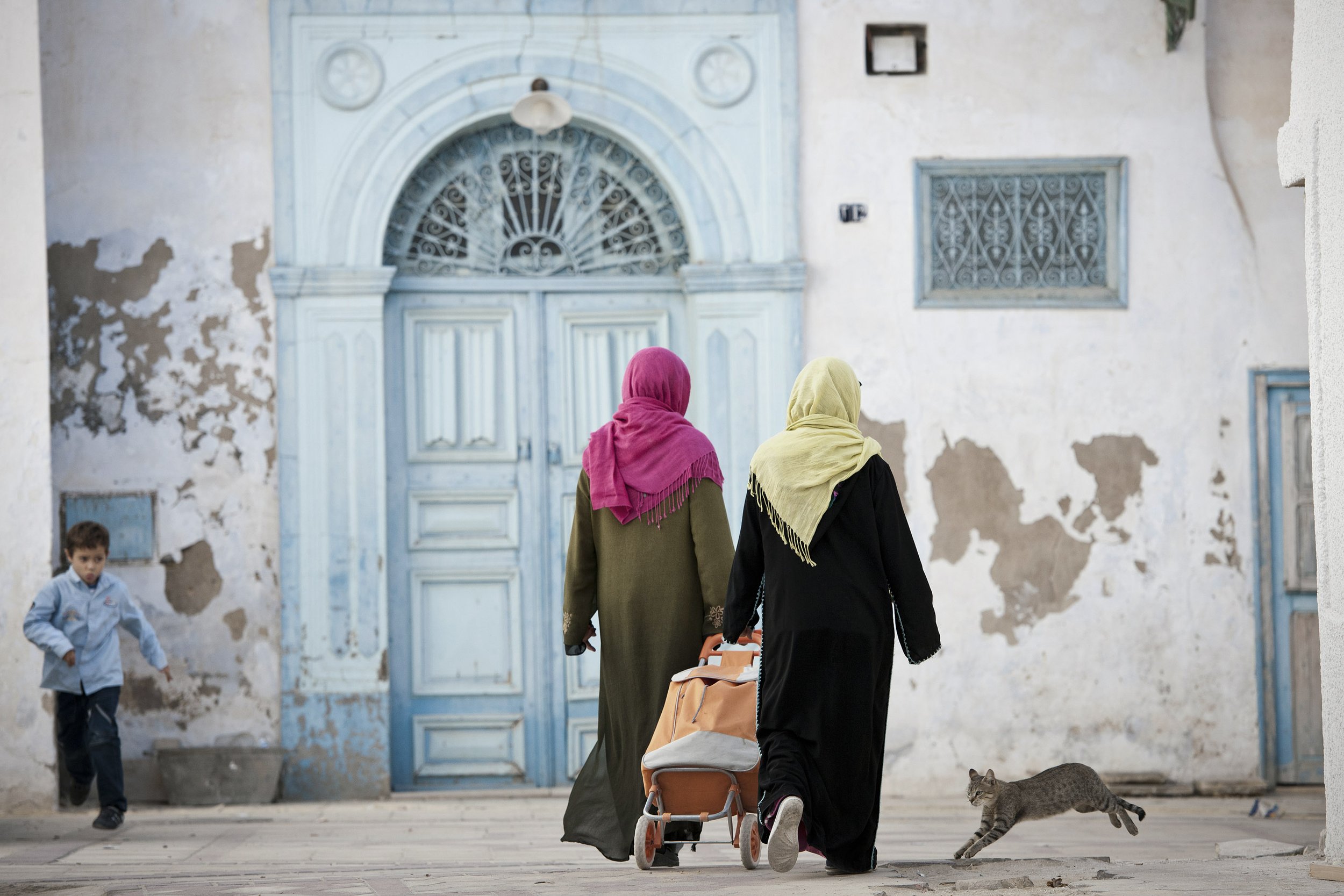
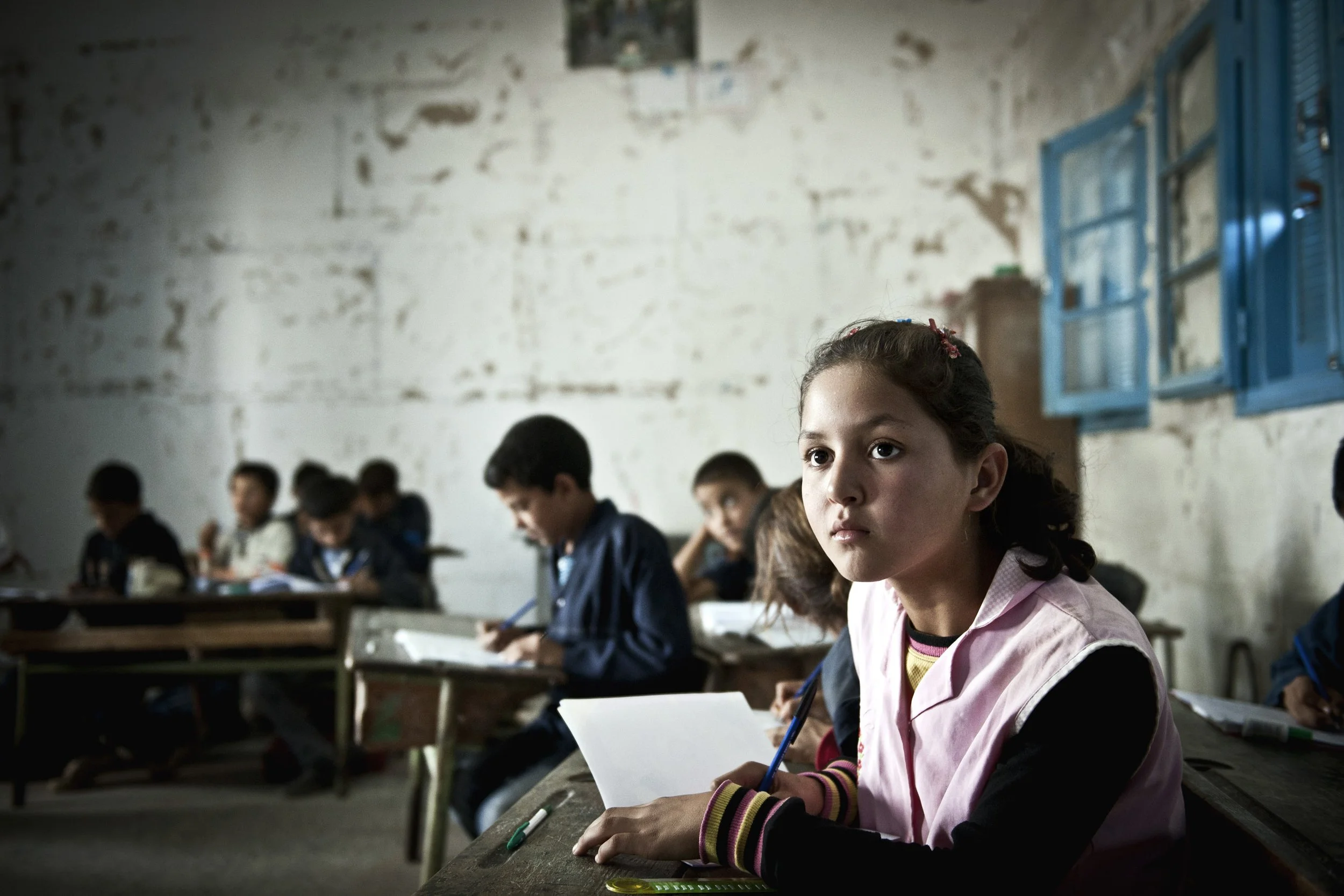
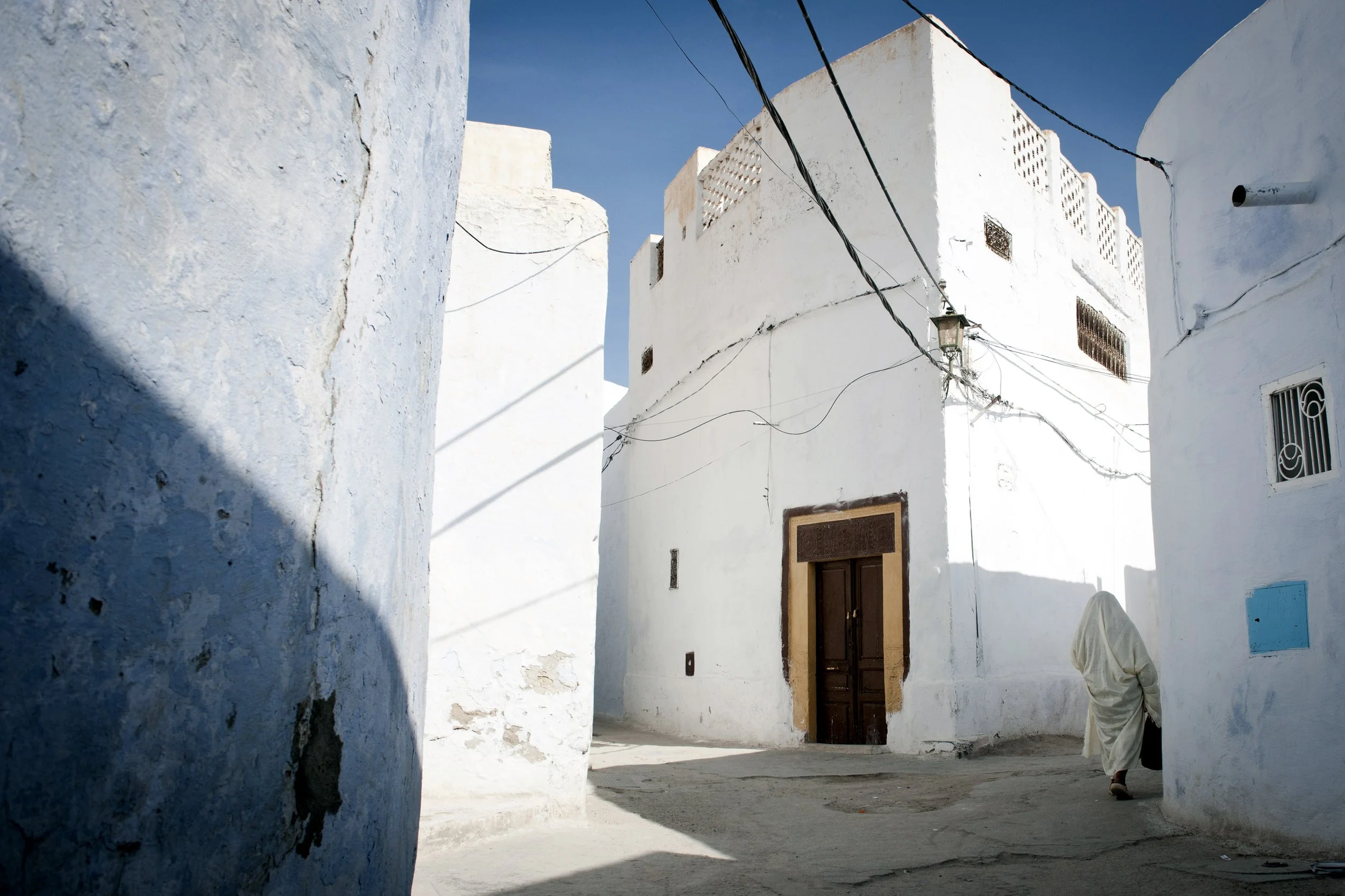
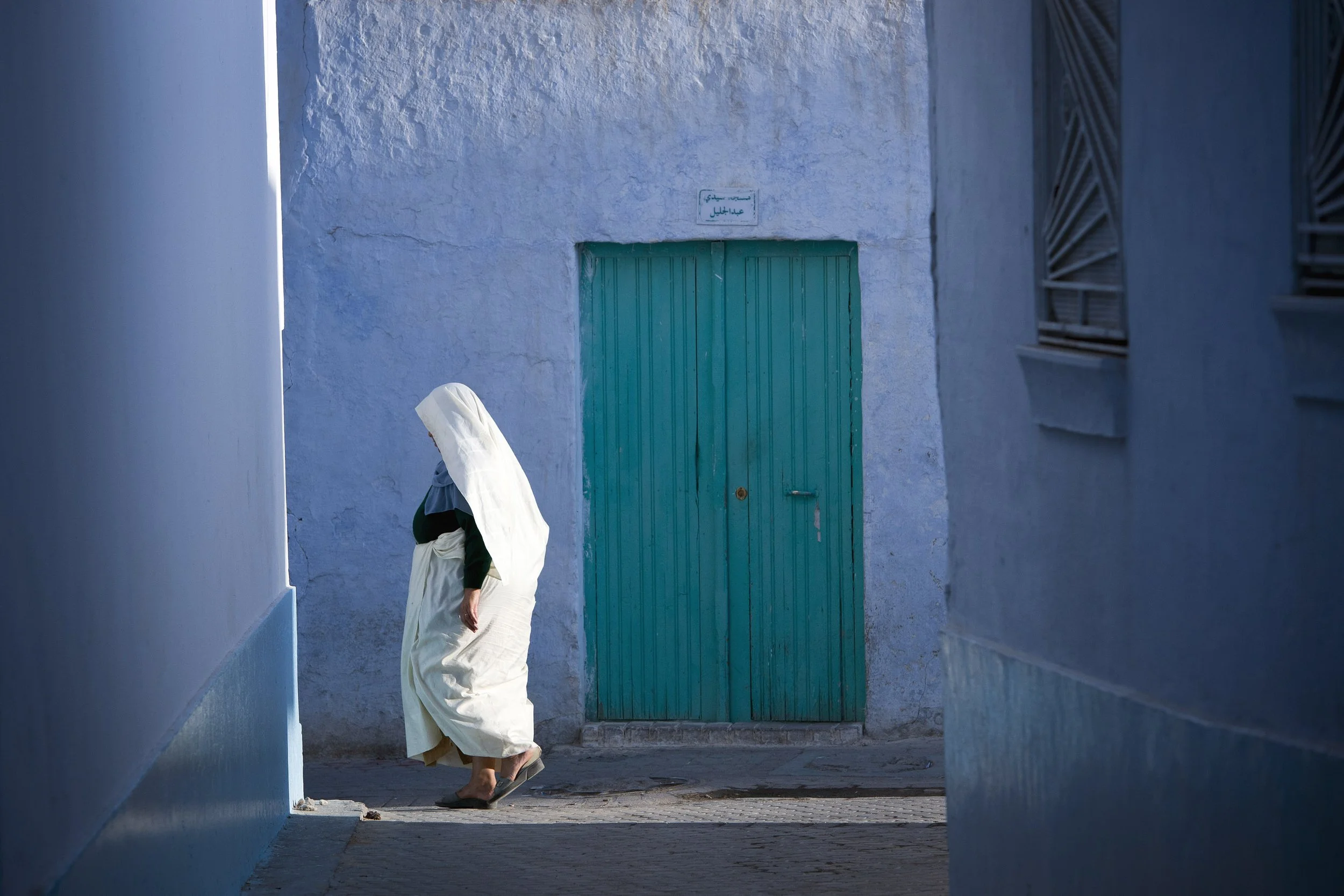
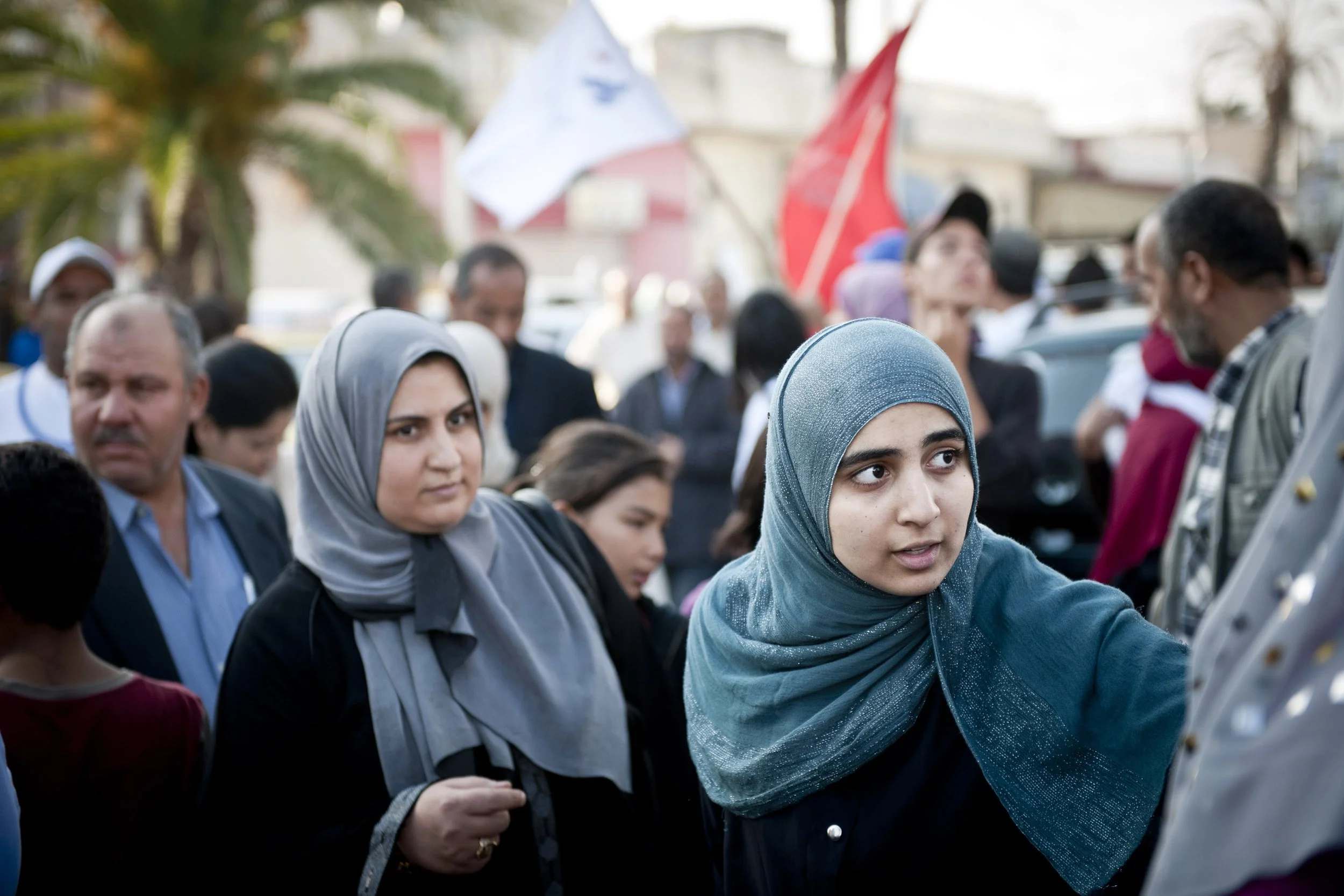
But beyond it lies another Tunisia: the hinterland, more conservative and traditionalist, with deep roots in Muslim tradition. In many of its towns and villages, particularly within rural and agricultural communities, social life remains closely intertwined with the mosque and with the authority and influence of local religious leaders. Here, Islam is not merely a matter of individual faith; it is embedded in the rhythms of everyday life, in community ties and in a collective way of understanding the world.
This was also a Tunisia that much of the secular and left-wing political establishment had failed to understand — or perhaps had simply failed to reach. While intellectuals, students, trade unionists, activists and political movements articulated the language of revolution, democracy and emancipation, Ennahda had spent years building its presence in precisely these communities, particularly throughout the interior.
The revolution had made one Tunisia highly visible. The ballot box revealed the political weight of another.
Behind the demonstrations, the universities and the political debates stood a quieter, less visible part of the country — a large constituency whose values and concerns had not been adequately read by many of the parties competing for its vote. Ennahda had understood that constituency, cultivated it and, on 23 October, mobilised it.
And so the Tunisia that emerged from the revolution now finds itself confronting the growing Islamisation of a more conservative and traditionalist hinterland — the very divide that the election results have suddenly made impossible to ignore.
Like Averroes, Tunisians must now find a way to reconcile Islam with democracy, itself rooted in the political thought of the ancient Greeks.
The representatives elected on 23 October 2011 will write a new constitution. Everything for which young people, activists, human-rights defenders, revolutionaries and martyrs fought is now at stake.
Every concession made to the Islamists will be something lost by the rest of Tunisian society. After this decisive stage, there may be no turning back.
The Arab world in particular, and the rest of the world more broadly, are watching Tunisia closely.
Perhaps a distinctly “Tunisian model” will emerge, capable of reconciling Muslim tradition with political modernity while guaranteeing a fundamental body of individual freedoms and basic rights.
Who knows?
What cannot be disputed is that civilisations have developed through science, art, literature and technology — and, above all, through the emancipation of human beings, not through their submission to religion.
Update - 2026
Fifteen years have passed since I wrote this chronicle, and Tunisia has travelled a long and complicated road.
The 2011 election opened a genuine democratic transition. Ennahda emerged as the largest political force, a new constitution was adopted in 2014, governments changed through elections, and for several years Tunisia appeared to be the most successful democratic experiment to emerge from the Arab Spring.
But many of the problems already visible in 2011 never disappeared: economic hardship, corruption, political fragmentation and growing disillusionment with the parties that had inherited the revolution. In 2019, Kaïs Saïed was elected president.
Two years later, he suspended parliament, dismissed the prime minister and began concentrating power in the presidency. A new constitution adopted in 2022 substantially strengthened presidential authority and weakened the parliament that the revolution had helped bring to the centre of political life.
The political landscape I photographed has changed almost beyond recognition. Ennahda has been pushed from power, and its historic leader, Rached Ghannouchi, has been imprisoned since 2023 and has received lengthy prison sentences. Opposition politicians, journalists and members of civil society have also faced arrests and prosecution. Saïed, re-elected in 2024 in a contest marked by the exclusion or imprisonment of prominent opponents, remains president. His supporters argue that he is dismantling a corrupt political system; his opponents see the dismantling of the democratic institutions created after 2011.
Fifteen years later, this process remains unfinished — much like Averroes’ search.
Text and photographs: Ezequiel Scagnetti ©
Sources cited in the original 2011 text
Fethi Benslama, Soudain la Révolution, 20 April 2011; Reuters, 22 April 2011.
Ennahda Movement Programme (summary document, French version).
Ridha Kéfi, Les dérapages de l’islamisme, Jeune Afrique, 26 December 2000.
Lina Ben Mhenni, Tunisian Girl, Blogueuse pour un printemps arabe, June 2011.
Le Point.fr, 27 September 2011.
Interview with Mohammed Slim, 16 October 2011.
Interview with Béchir Garbouj, 25 October 2011.
Dominique Urvoy, Averroès: Les ambitions d’un intellectuel musulman, 1998.