Tsunami 2004 - Photo coverage in Sri Lanka & Andaman
Inside the Tsunami Aftermath
When the Indian Ocean tsunami struck on 26 December 2004, I was assigned by the Belgian photo agency Reporters to cover the humanitarian response in Sri Lanka.
Within hours, I joined B-FAST, the Belgian Government's emergency relief operation, aboard a military transport aircraft carrying humanitarian supplies. After a stop in Dubai, where additional emergency equipment and supplies were loaded, we continued towards Colombo, Sri Lanka.
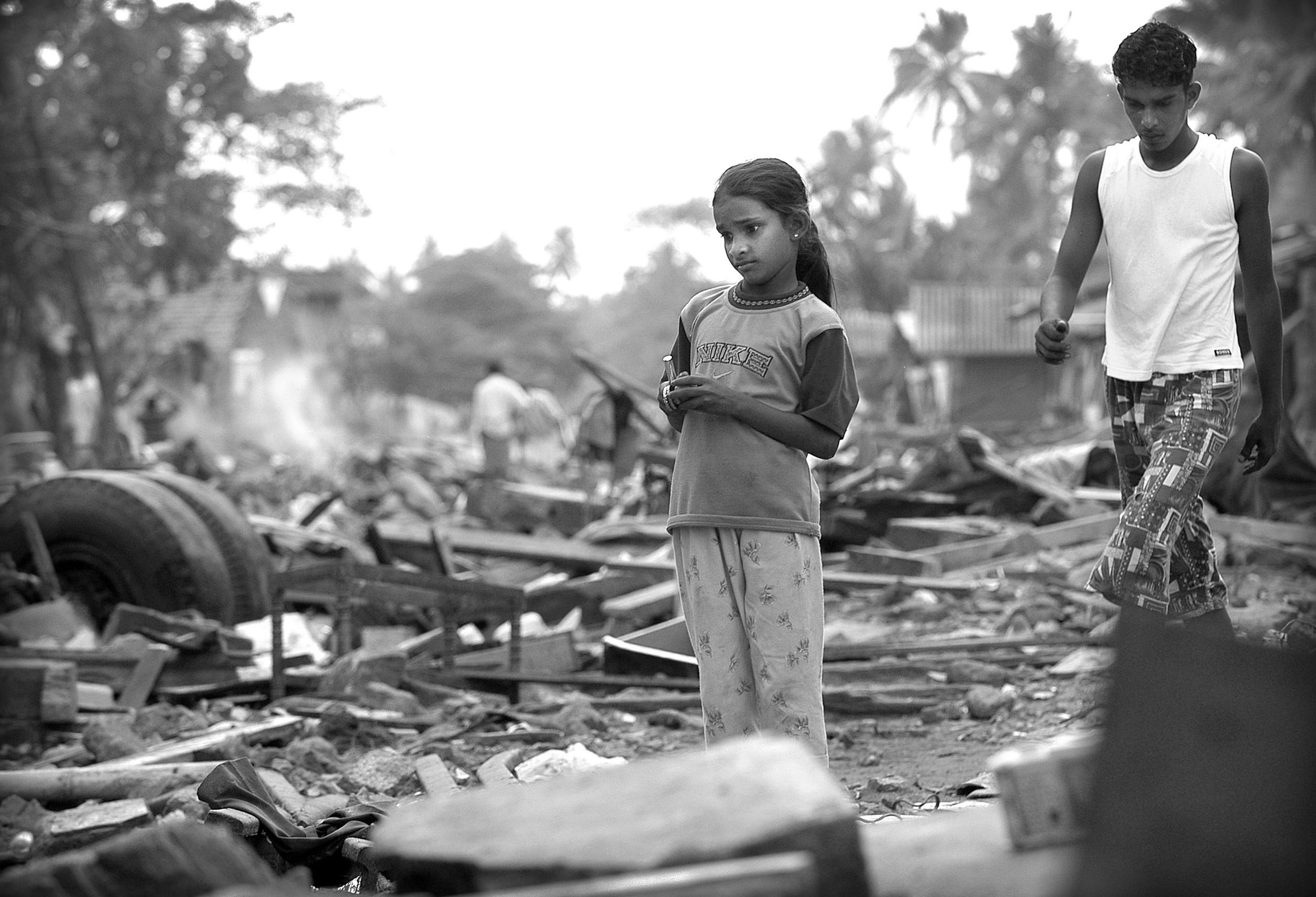
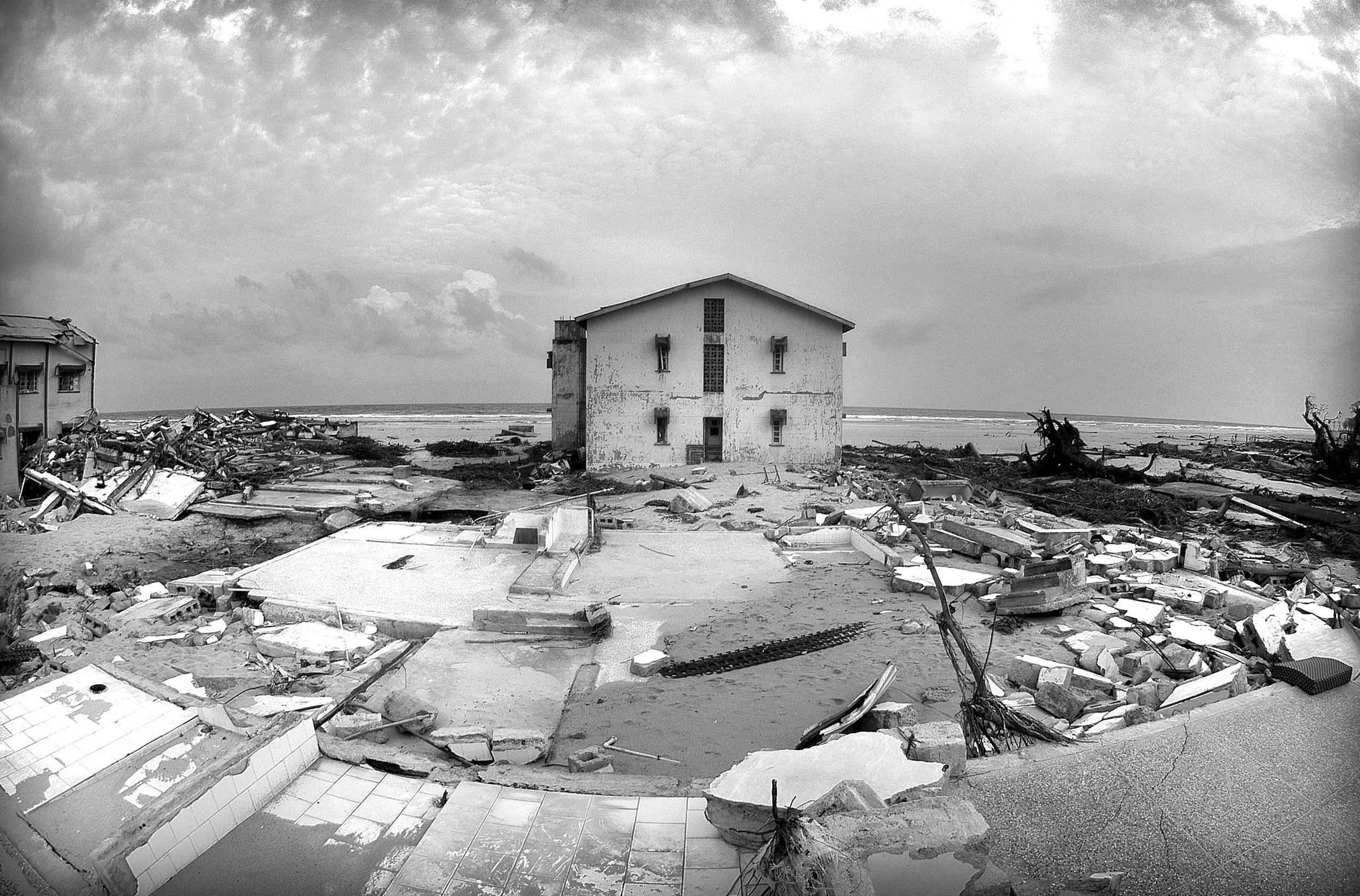
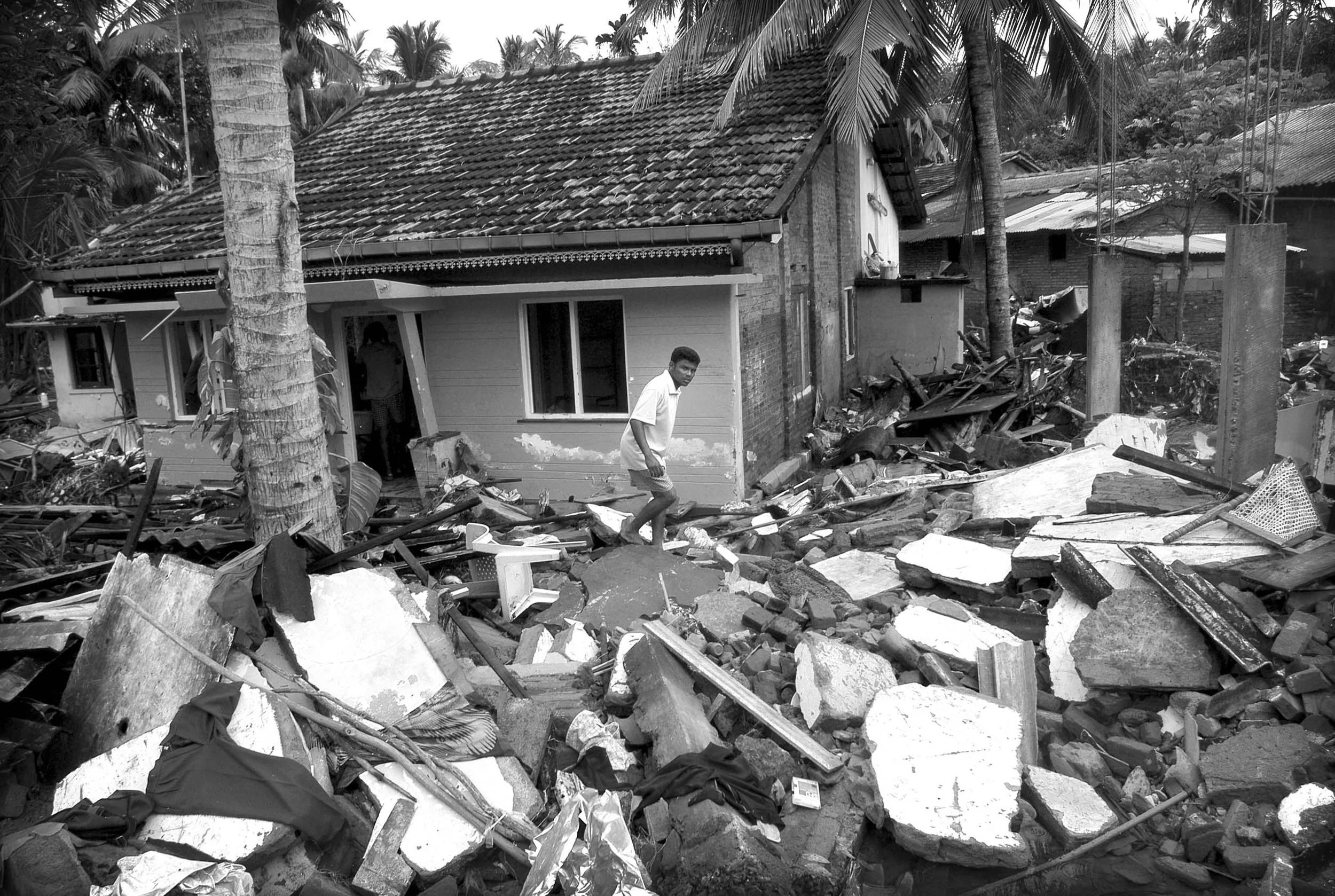
I arrived as the scale of the disaster was only beginning to become clear. The tsunami had struck a vast stretch of Sri Lanka's coastline, destroying towns and villages and displacing hundreds of thousands of people.
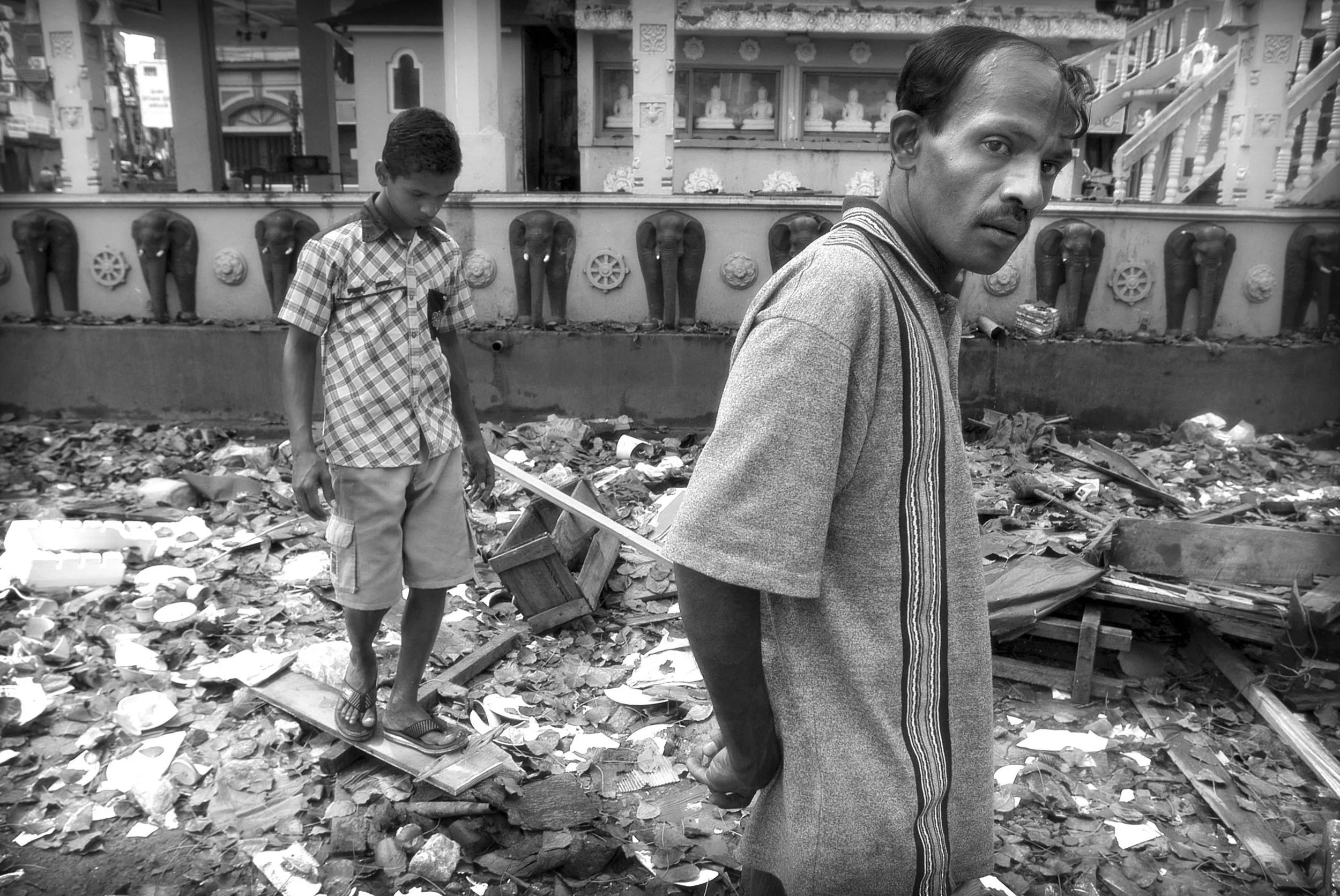
The assignment quickly took me away from Colombo. Military helicopters transported journalists and humanitarian teams towards Galle and Matara, along Sri Lanka's southern coast, roughly 120 to 160 kilometres south and southeast of the capital. Both districts had been severely affected by the tsunami, with coastal communities, roads and infrastructure devastated by the waves.
Flying there offered a first sense of the scale of what had happened. From the air, the destruction extended kilometre after kilometre along the coastline.
On the ground, the situation remained uncertain. Aftershocks and repeated tsunami alerts were still occurring, and several times rescue teams, journalists and local residents had to move away from the shoreline and seek higher ground as fears of another wave spread.
Then, every evening, came another part of the assignment: getting the photographs back to Belgium.
This was late 2004. Internet connections in the field were extremely limited. At the end of each day, I edited the photographs and transmitted them to the agency through a slow dial-up telephone connection. Sending a selection of high-resolution images could take hours.
And then my computer disappeared from the equation.
During a tropical storm, a lightning strike destroyed my laptop.
It was my only workstation. Without it, I couldn't edit, caption or transmit my photographs. But stopping the assignment wasn't really an option. I began borrowing computers wherever I could find them, installing what I needed, preparing the photographs and sending them back to Belgium before heading out again.
About halfway through the assignment, Reporters redirected me towards India's Andaman and Nicobar Islands, an archipelago stretching across the Bay of Bengal and lying much closer to the rupture zone of the earthquake that had generated the tsunami.
I travelled through Chennai to Port Blair, the capital of the Andaman and Nicobar Islands, where I joined a German journalist working for Der Spiegel.
From then on, getting to the places we needed to document became part of the story itself.
Commercial transportation to many of the affected islands was severely disrupted. I travelled aboard government vessels carrying supplies and evacuating displaced families, and flew with the Indian military to remote islands including Little Andaman and Car Nicobar.
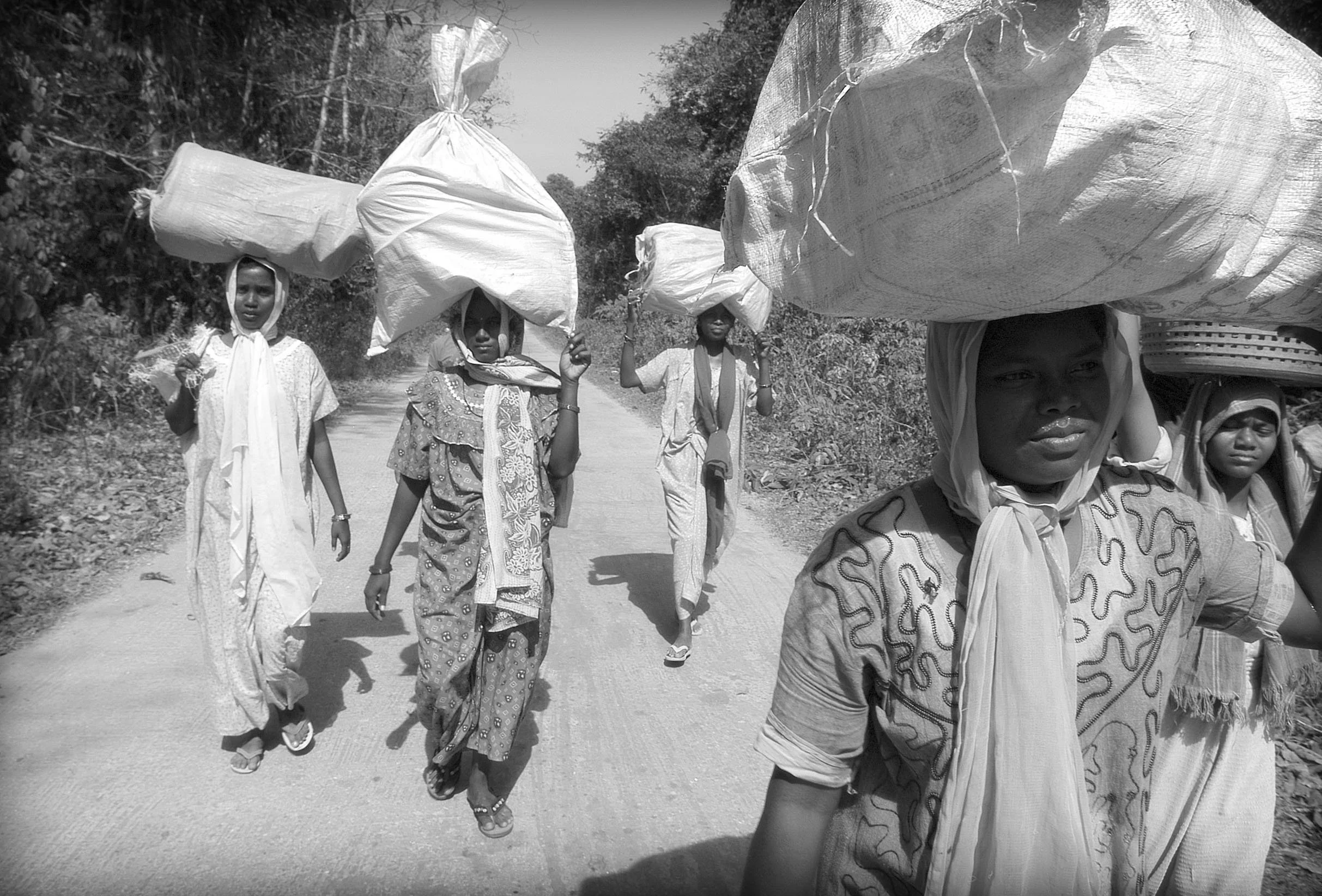
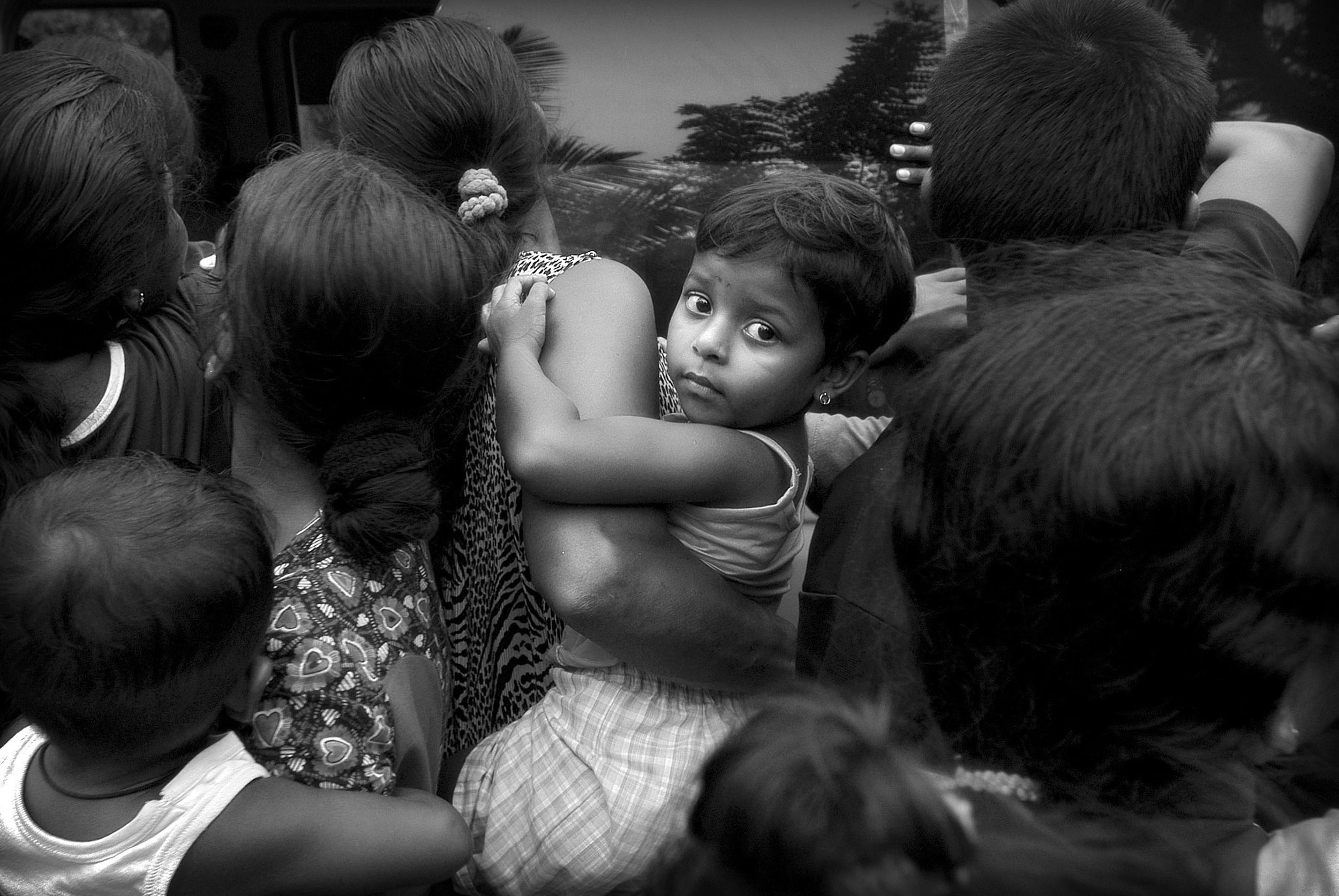
Often, the journey out and the journey back told two sides of the same story: supplies and humanitarian personnel travelled towards the devastated islands; survivors and displaced families travelled in the opposite direction.
Car Nicobar was different again.
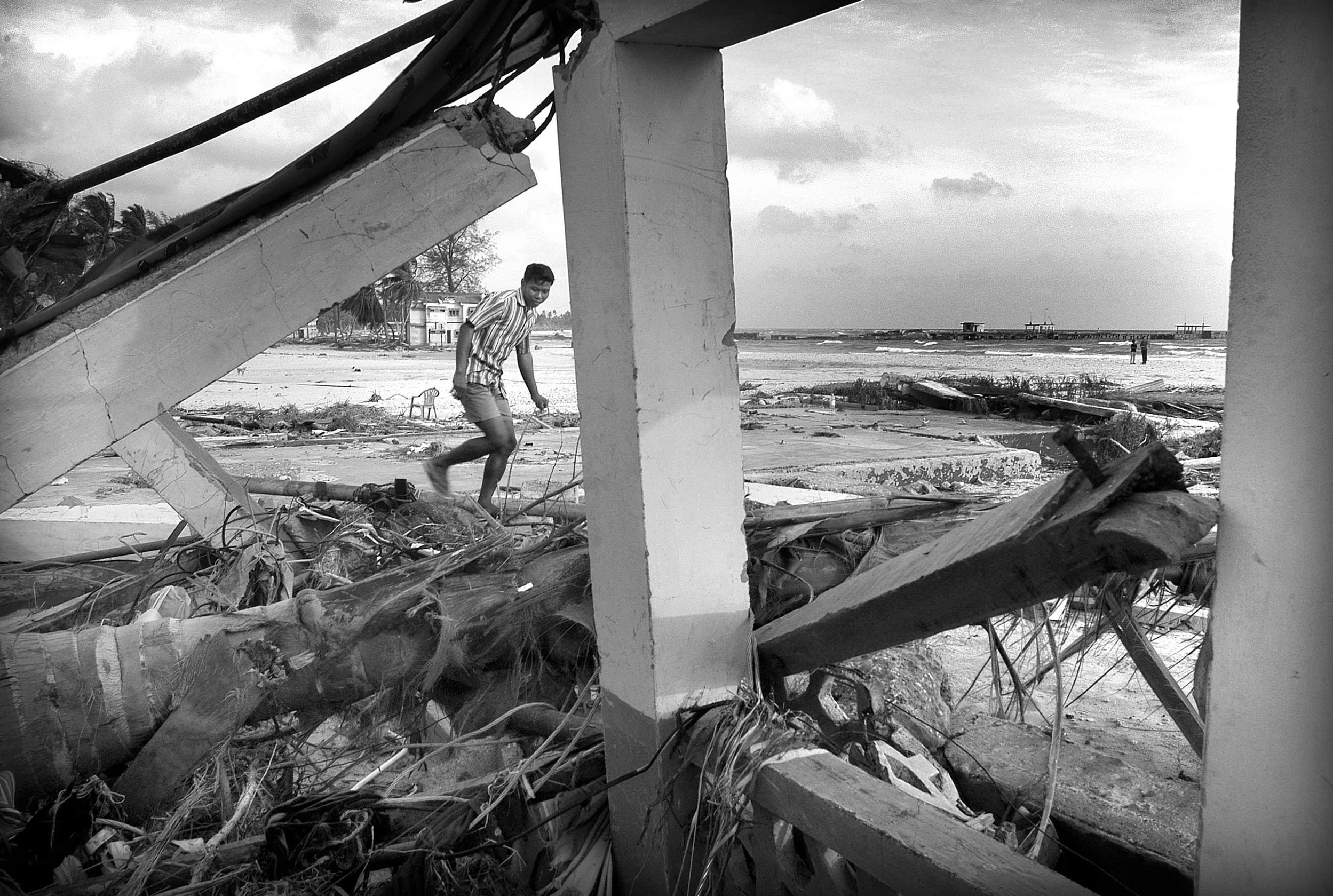
Situated in the northern Nicobar Islands, much closer to the earthquake rupture than Sri Lanka, the island had suffered catastrophic damage. The tsunami devastated coastal settlements and the earthquake severely damaged the Indian Air Force base there.
The runway itself had been damaged by the earthquakei. Military aircraft nevertheless continued operating from the usable section of the airstrip, bringing in supplies and personnel and evacuating survivors while relief operations continued around them.
Watching aircraft land on that damaged runway was one of those moments when the logistics of the humanitarian operation became almost as striking as the destruction itself.
By then, photography was only one part of each day. Finding a way to reach the next island, somewhere to sleep, something safe to eat, a computer to work on and a connection capable of transmitting photographs had all become part of doing the job.
There were tropical storms and continuing seismic activity. I also became seriously ill with food poisoning while travelling through the islands.
But those difficulties are not what I remember most clearly.
What remains is the scale of what people had lost.
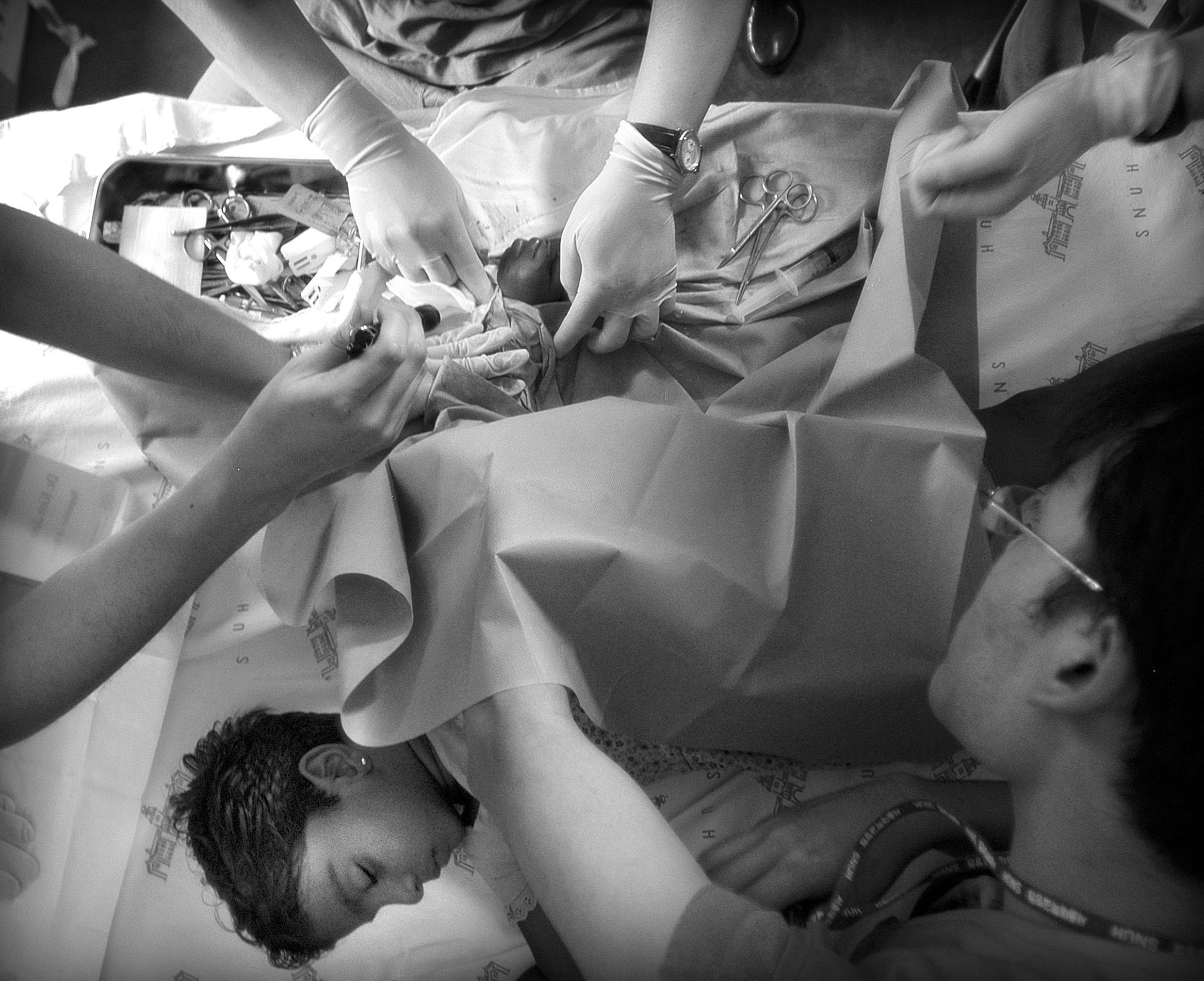
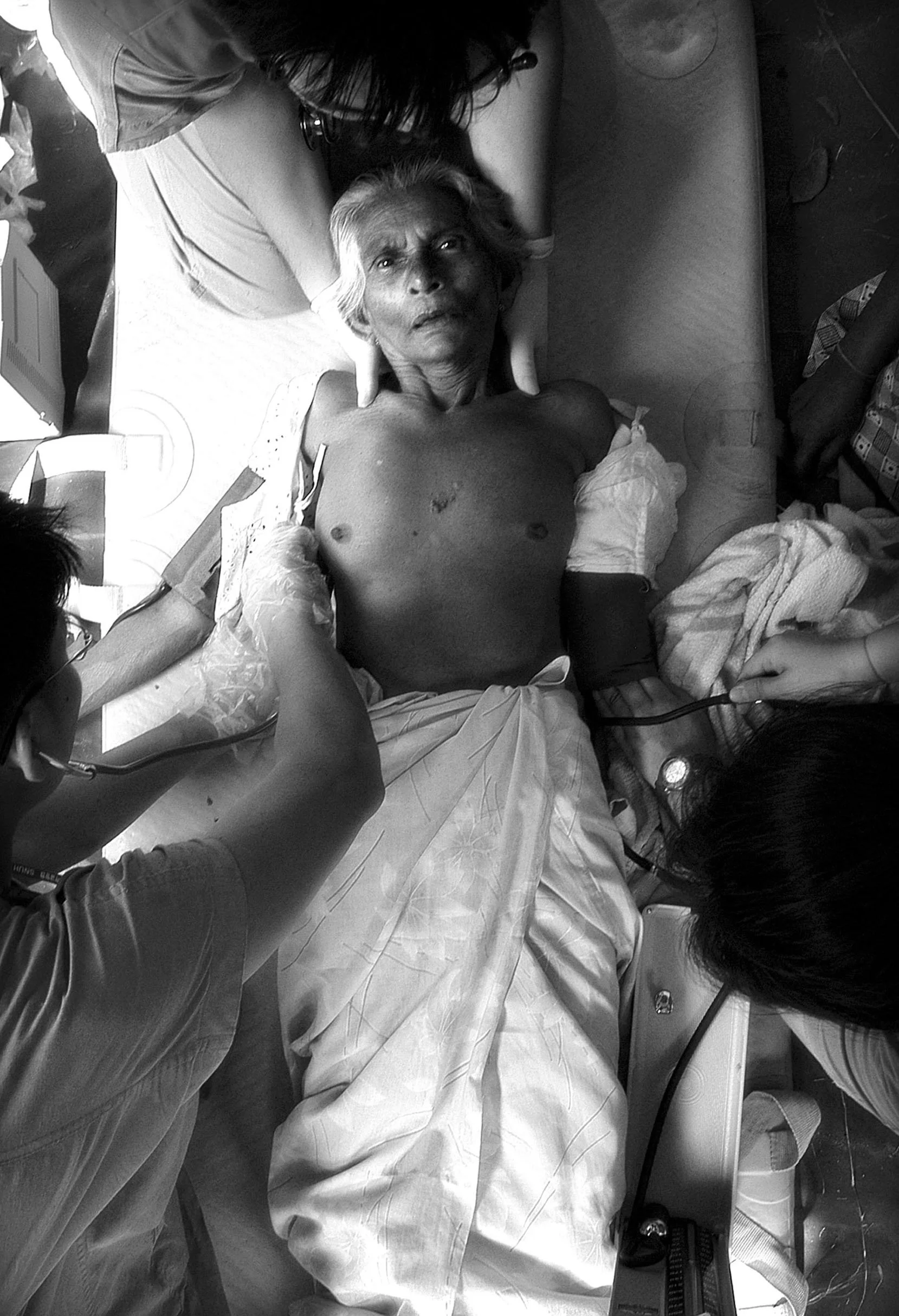
Families were leaving islands where homes and entire communities had disappeared. Military crews and humanitarian workers were trying to move people and supplies across an enormous archipelago. In isolated places, help depended on a ship arriving, a helicopter being able to land or a military aircraft finding enough usable runway.
My role was simply to document what was happening in front of me.
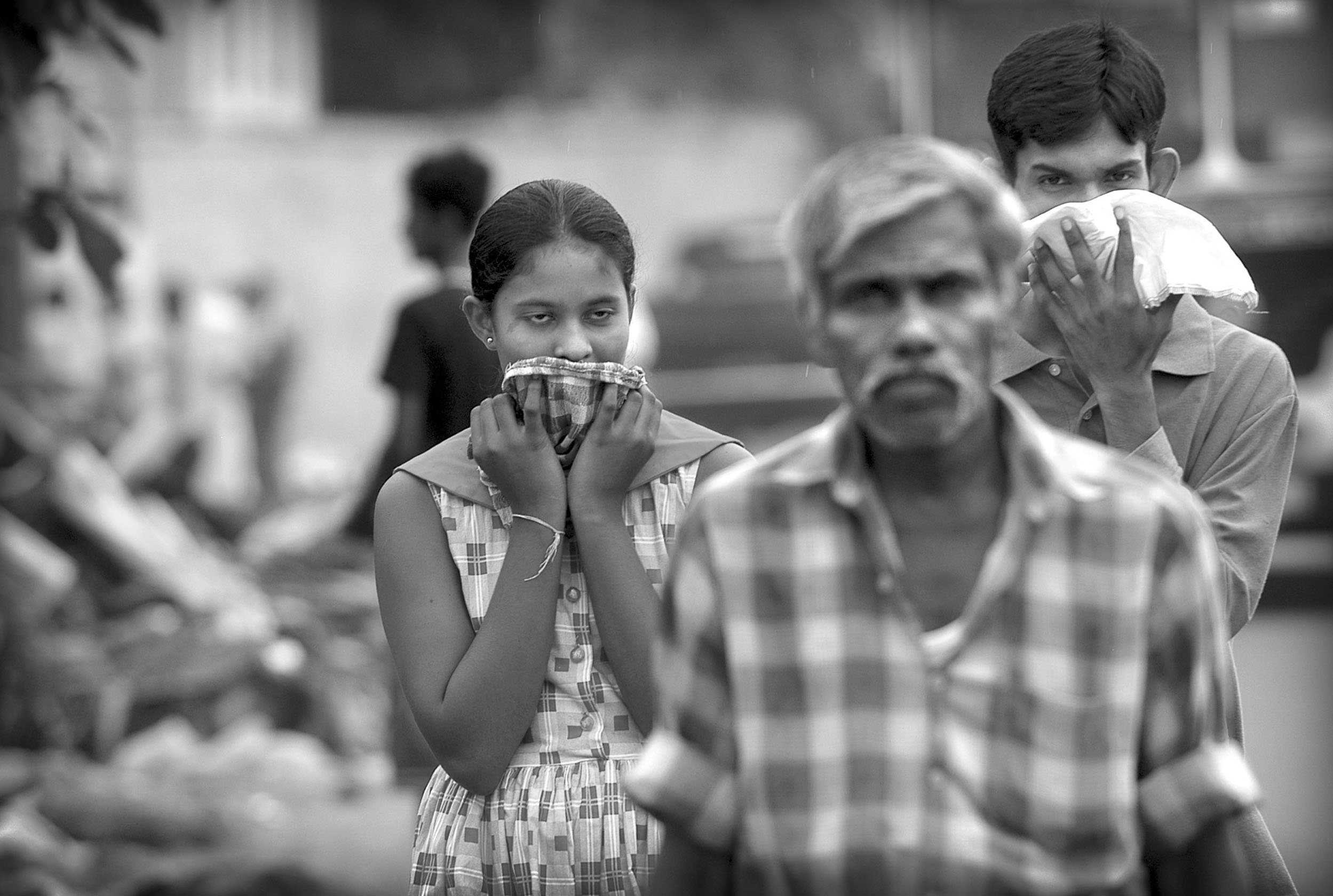
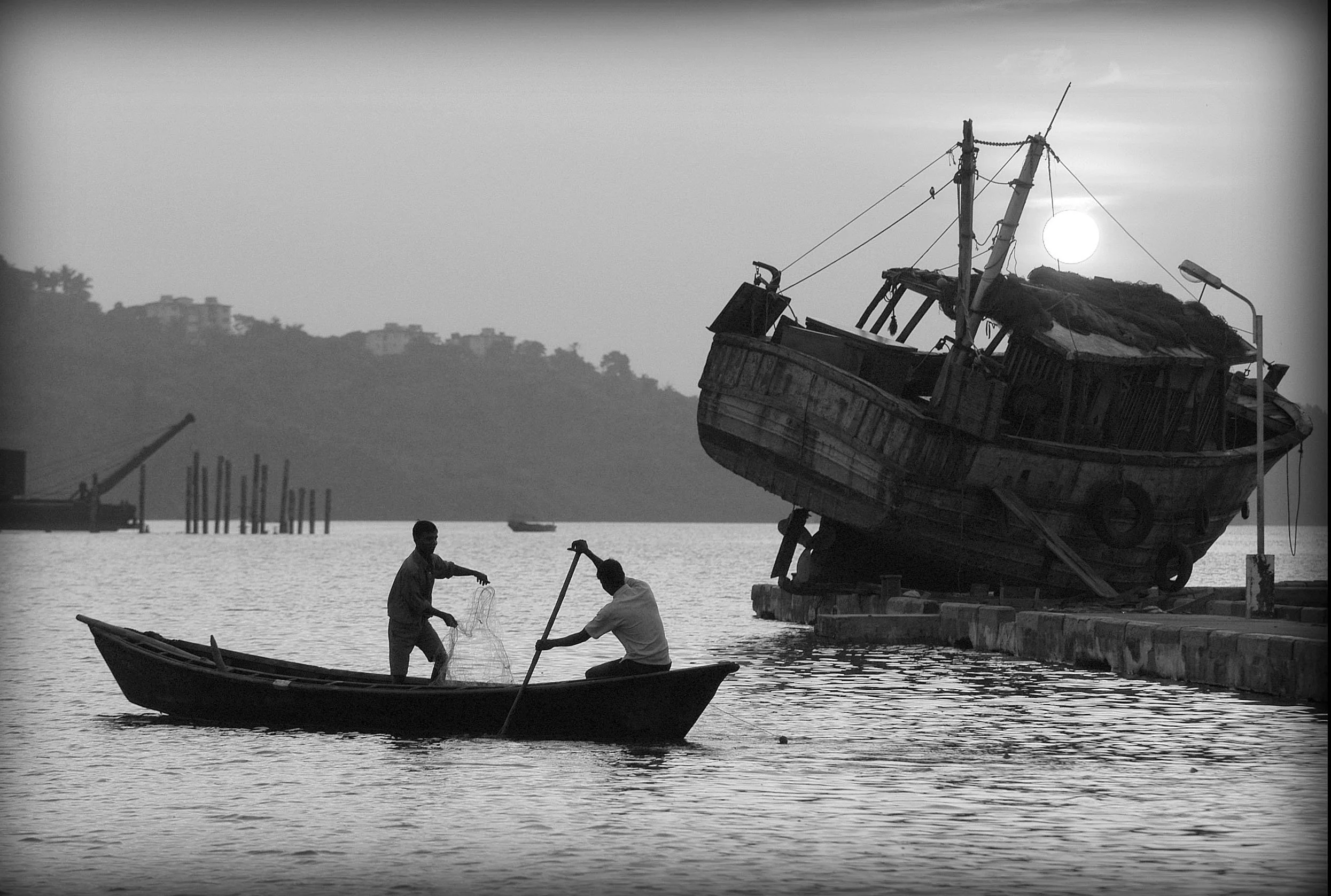
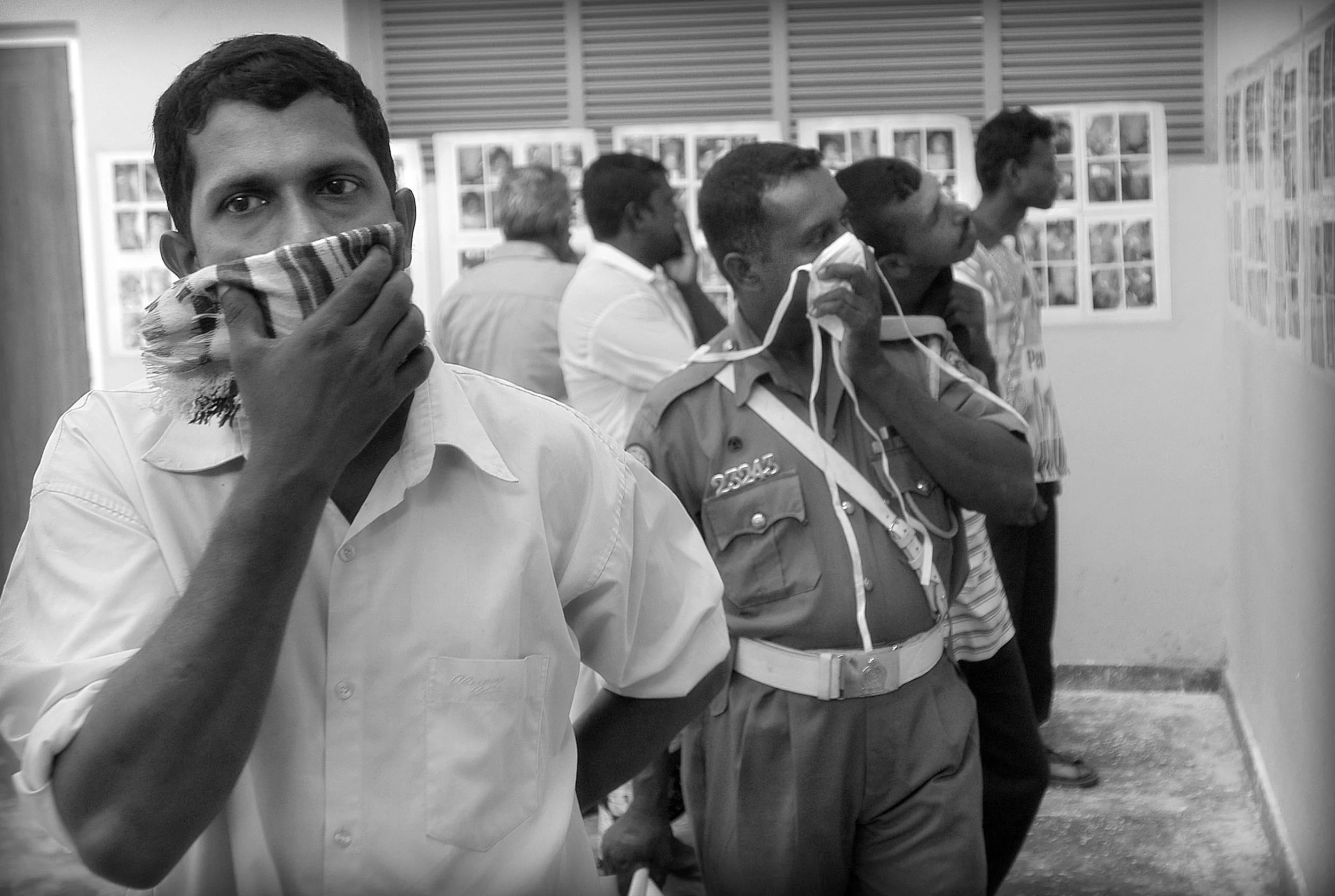
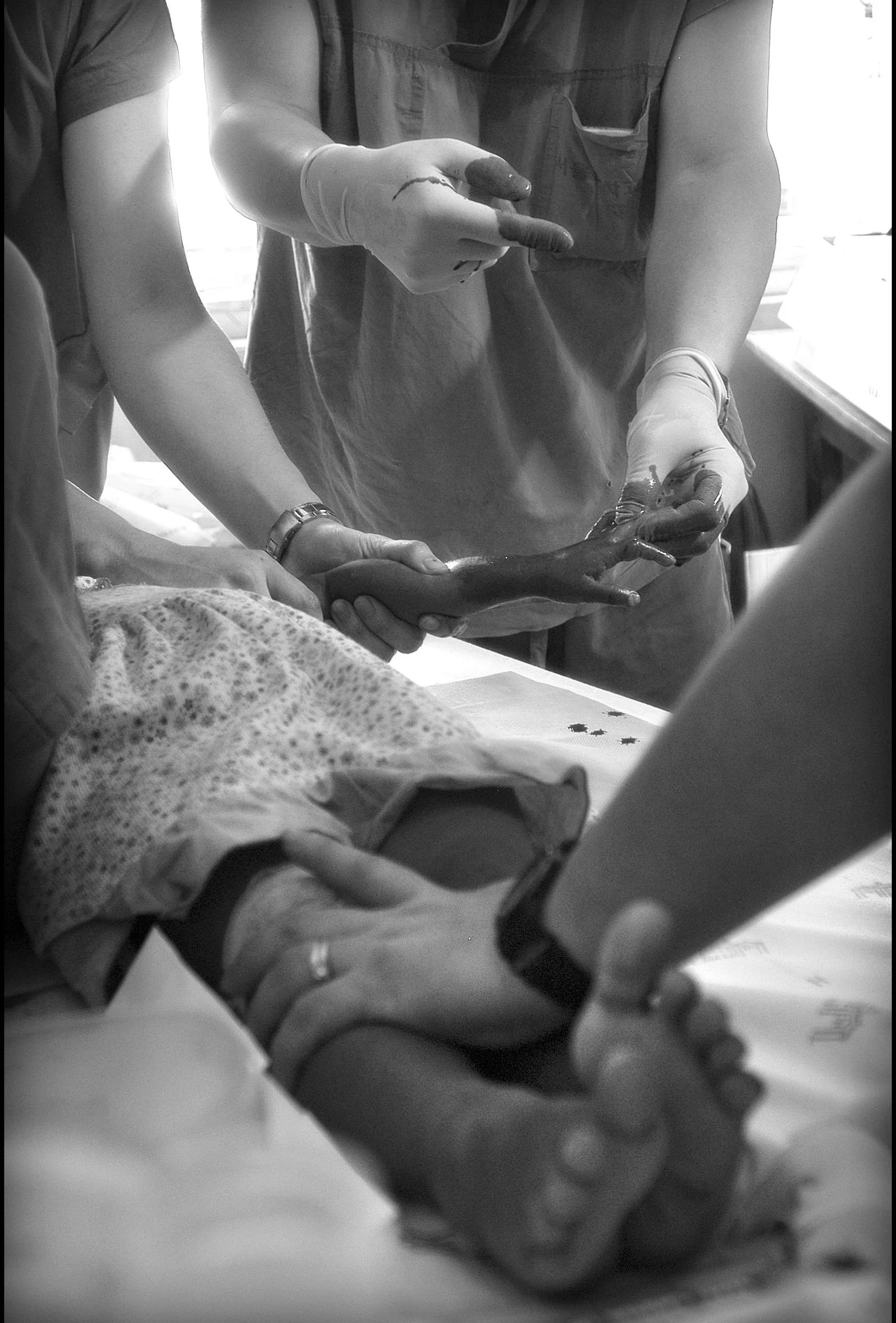
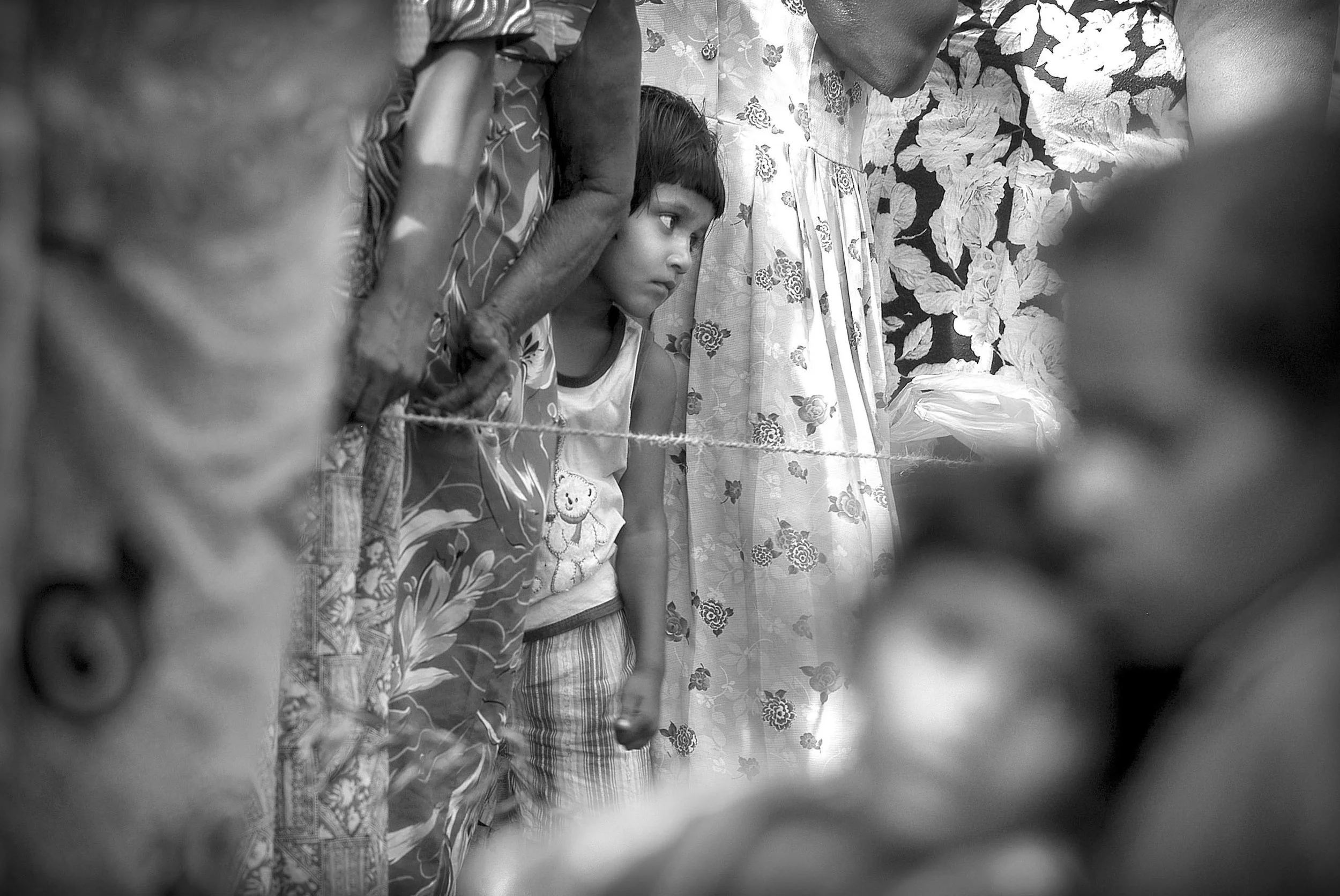
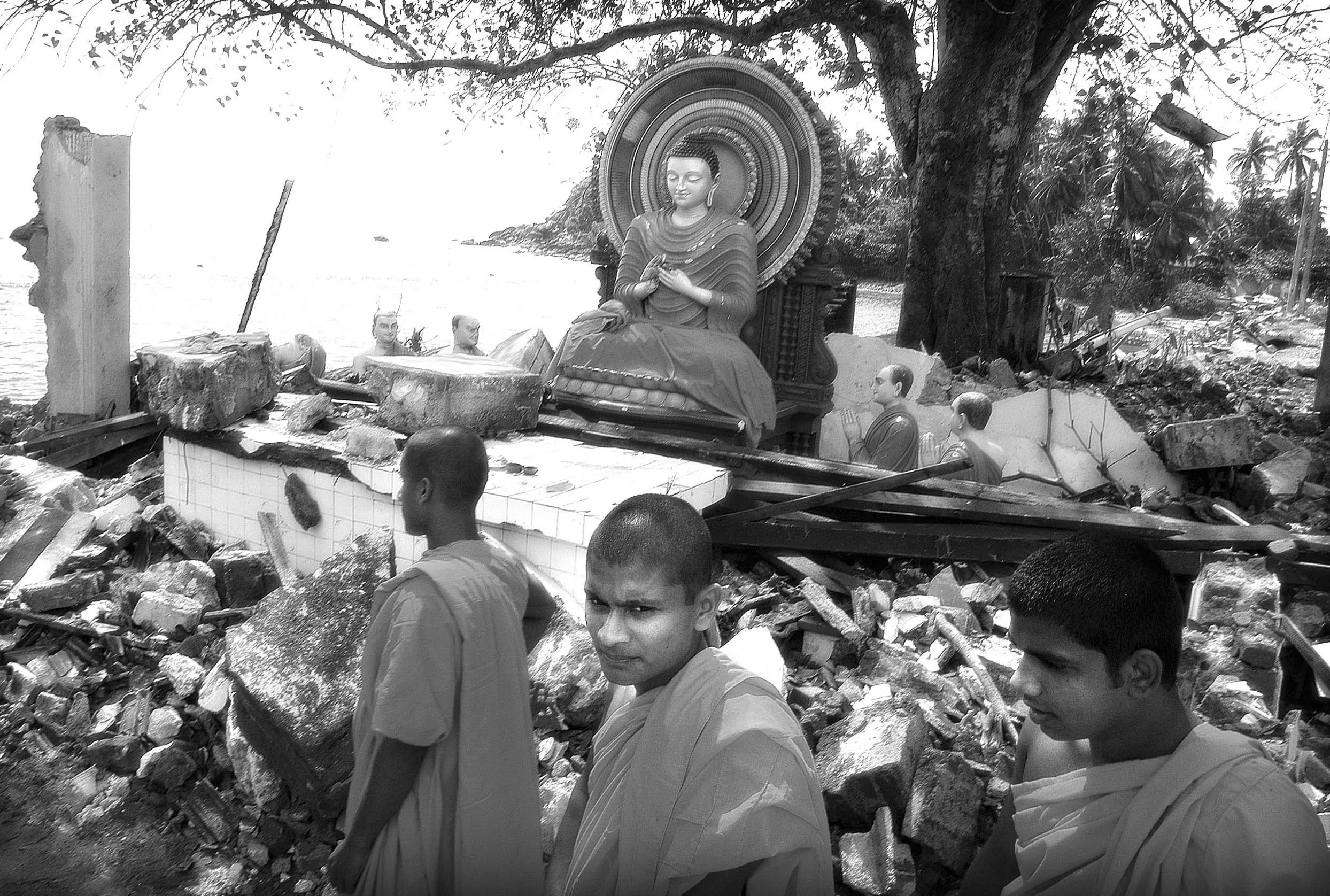
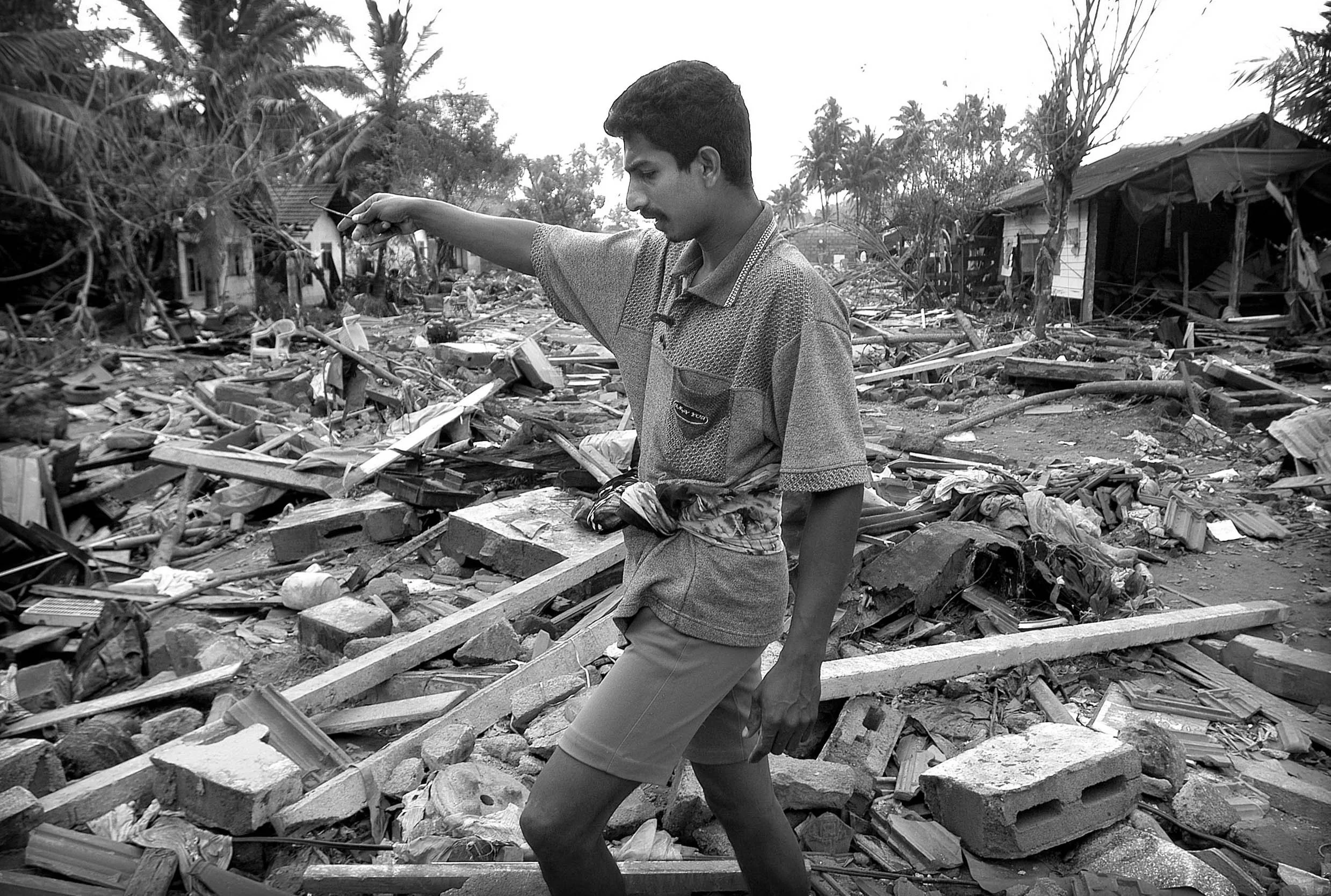
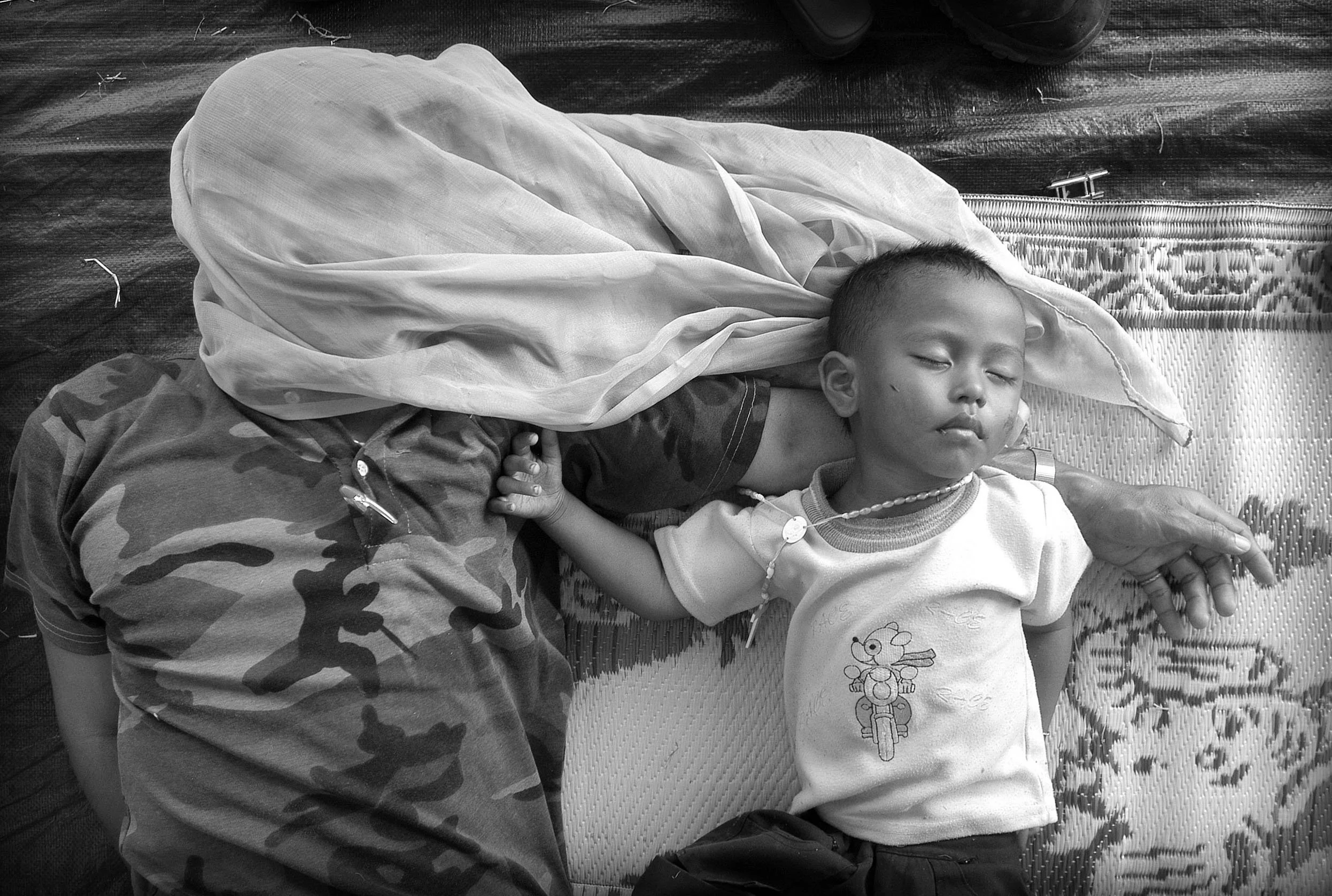
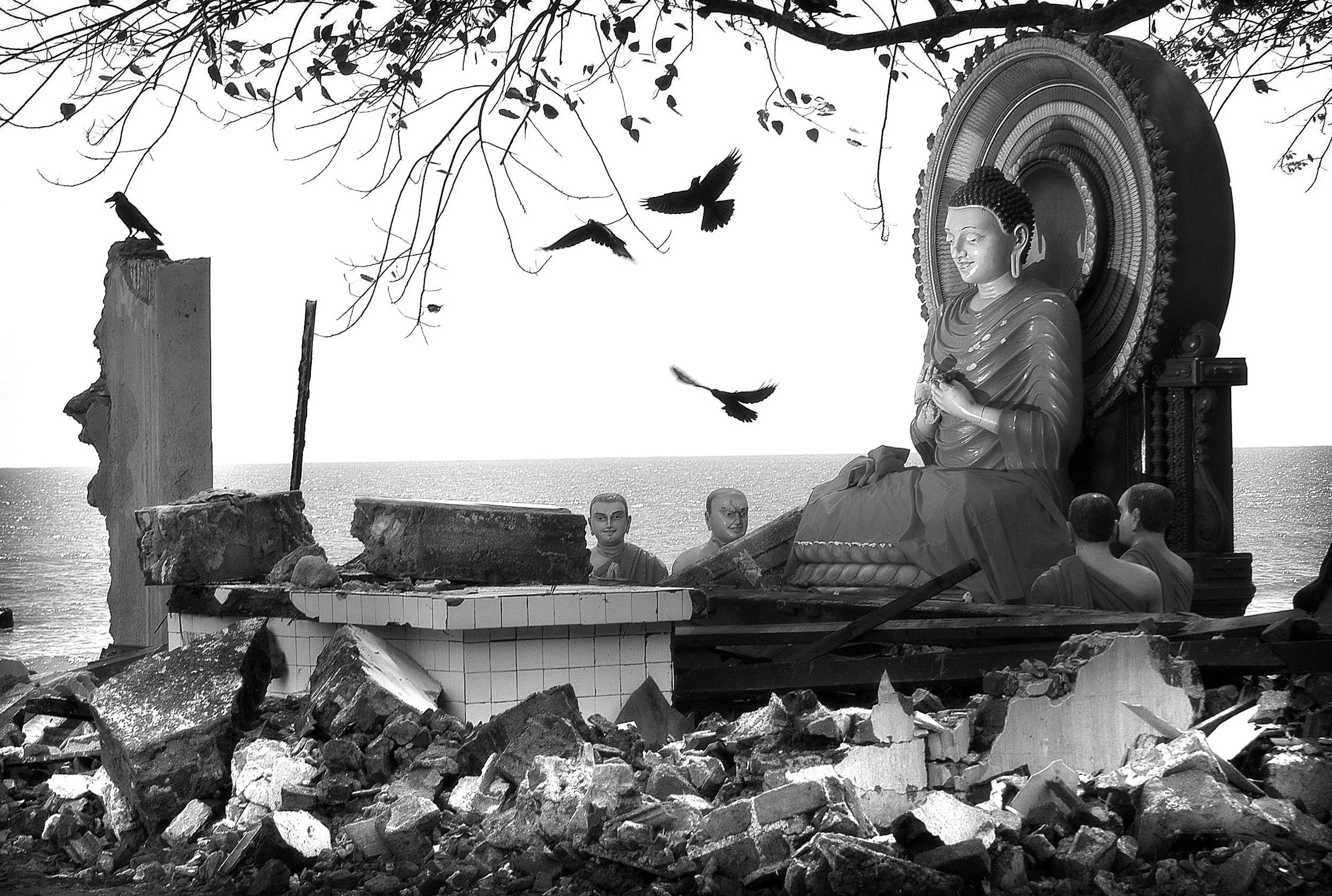
I photographed evacuations, relief operations, military crews moving supplies, devastated communities and people confronting what remained of their homes and their lives.
I had already worked in difficult environments, but Sri Lanka and the Andaman and Nicobar Islands became one of the most physically and emotionally demanding assignments of my career.
More than twenty years later, I see these photographs differently from when I transmitted them, one by one, over a telephone line.
At the time, they were news photographs that had to reach an agency in Belgium as quickly as possible.
Today, they are also a record of what I witnessed during those weeks: the immense destruction left by the Indian Ocean tsunami, the vulnerability of communities caught in its path, and the extraordinary human and logistical effort that followed it.